In Loving Memory of Cooper
2012 – 2026
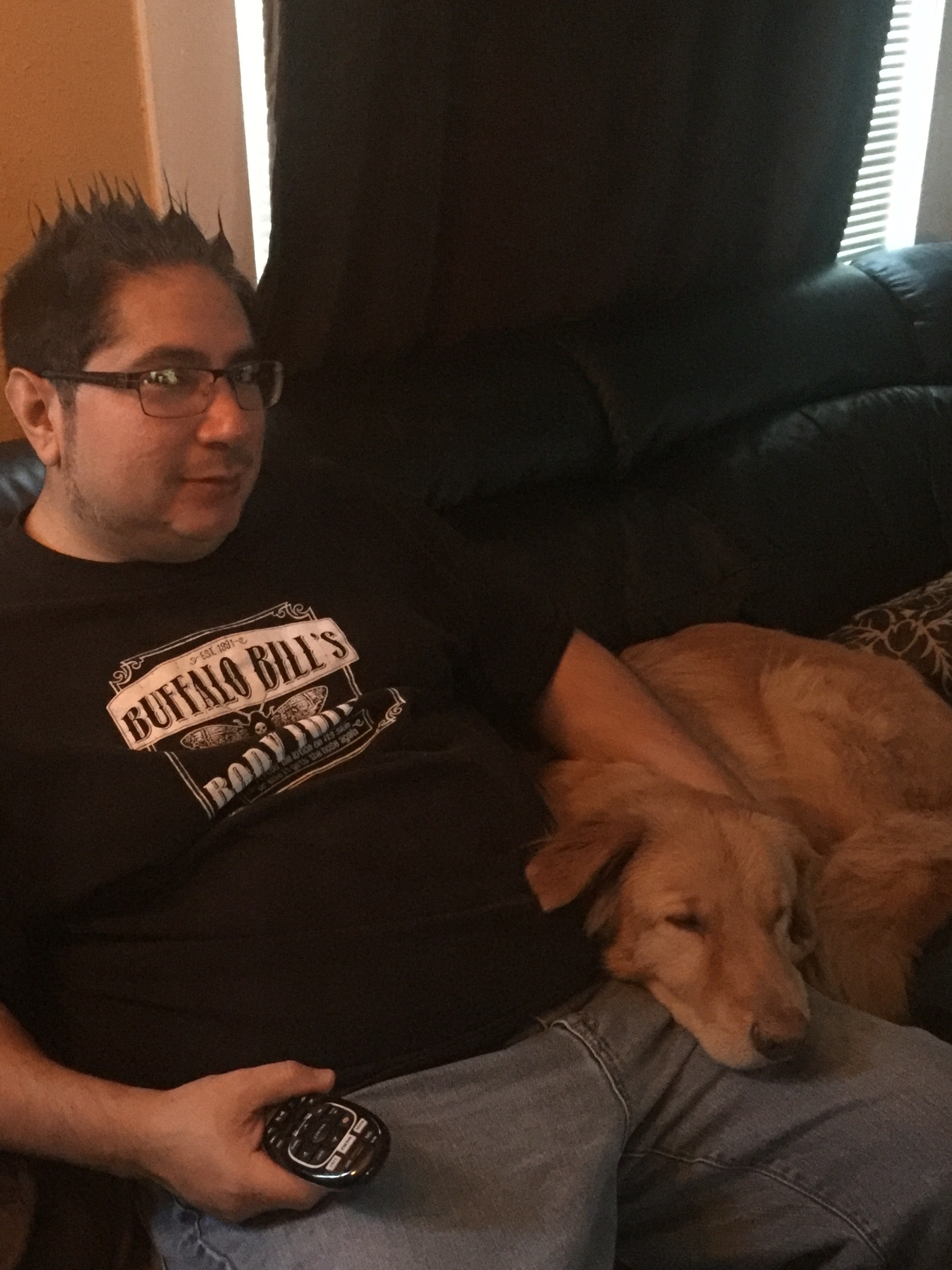
Cooper came into my life during a difficult time for me—the end of a long-term relationship. But Cooper carried deeper wounds. Nine months as a stray on the reservation, then three months in a foster home that didn't work out, left him with a rattled nervous system—terrified of loud noises, trash cans and trucks and strangers, people doing yoga, anyone wearing a construction vest, and allergic to many kinds of food.
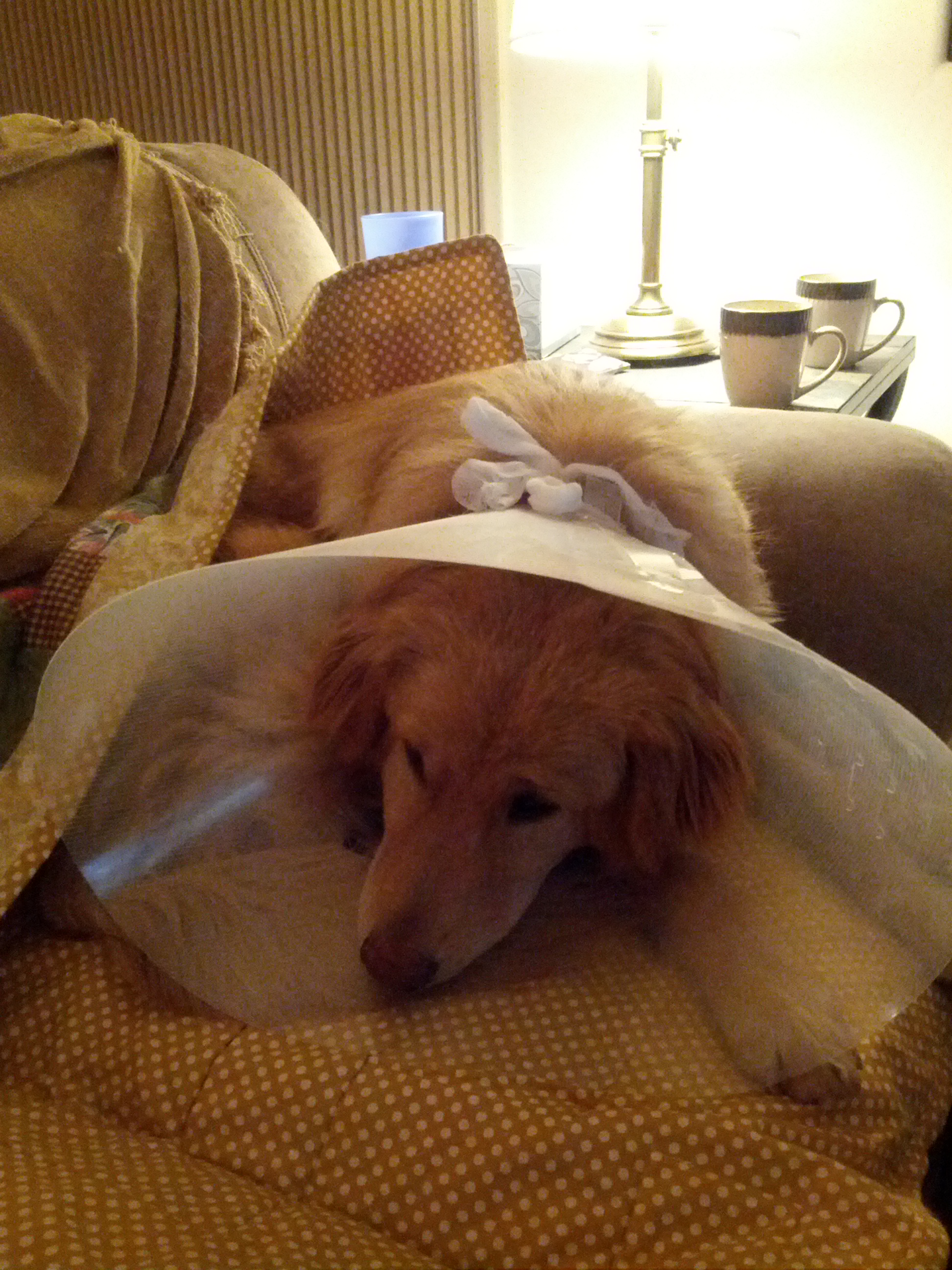
But as this anxious, reactive dog slowly learned to trust the world again, I found myself healing alongside him. He became my anchor, pulling me from bed each morning, coaxing me off the couch, insisting we face the world together.
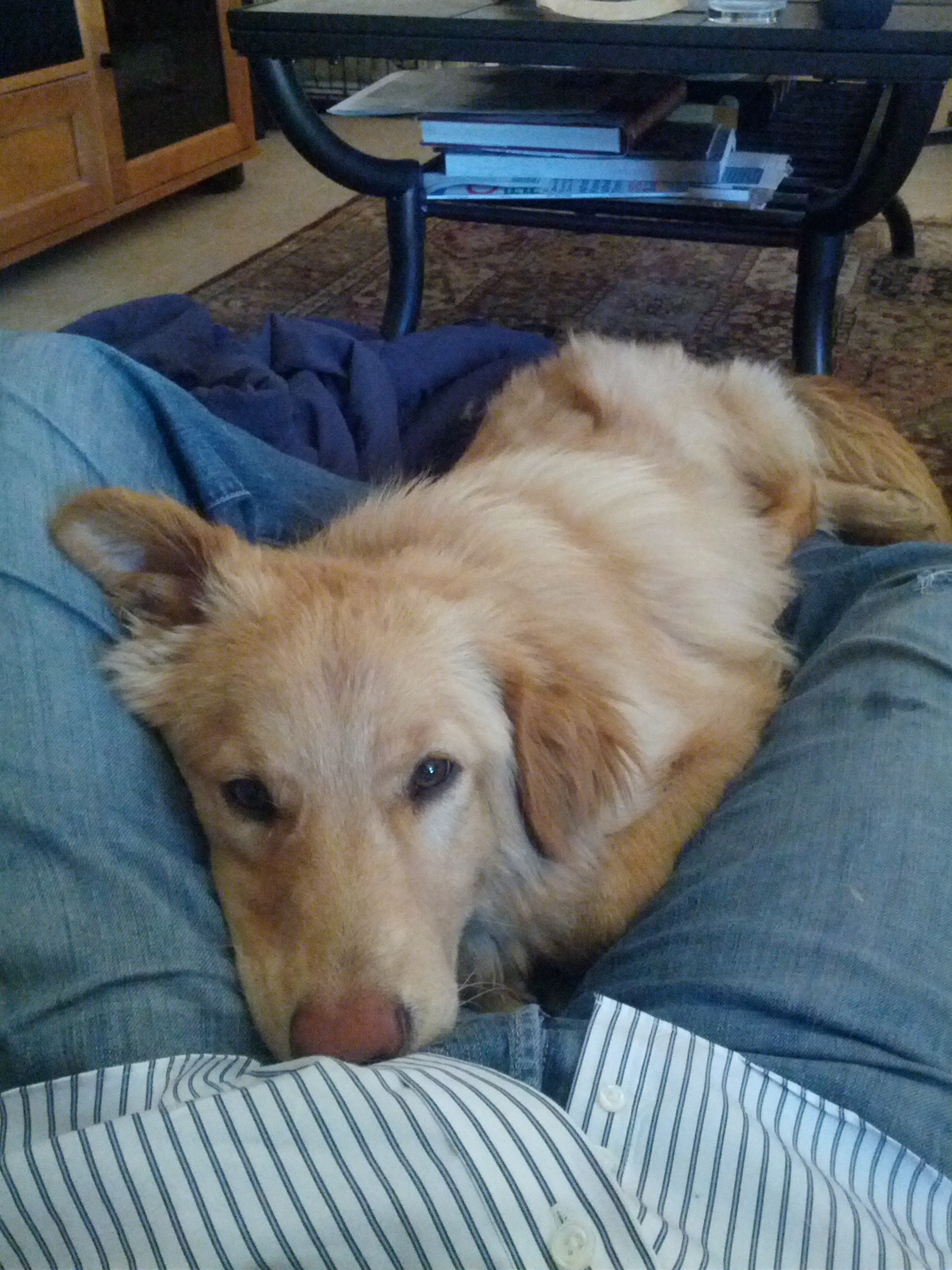
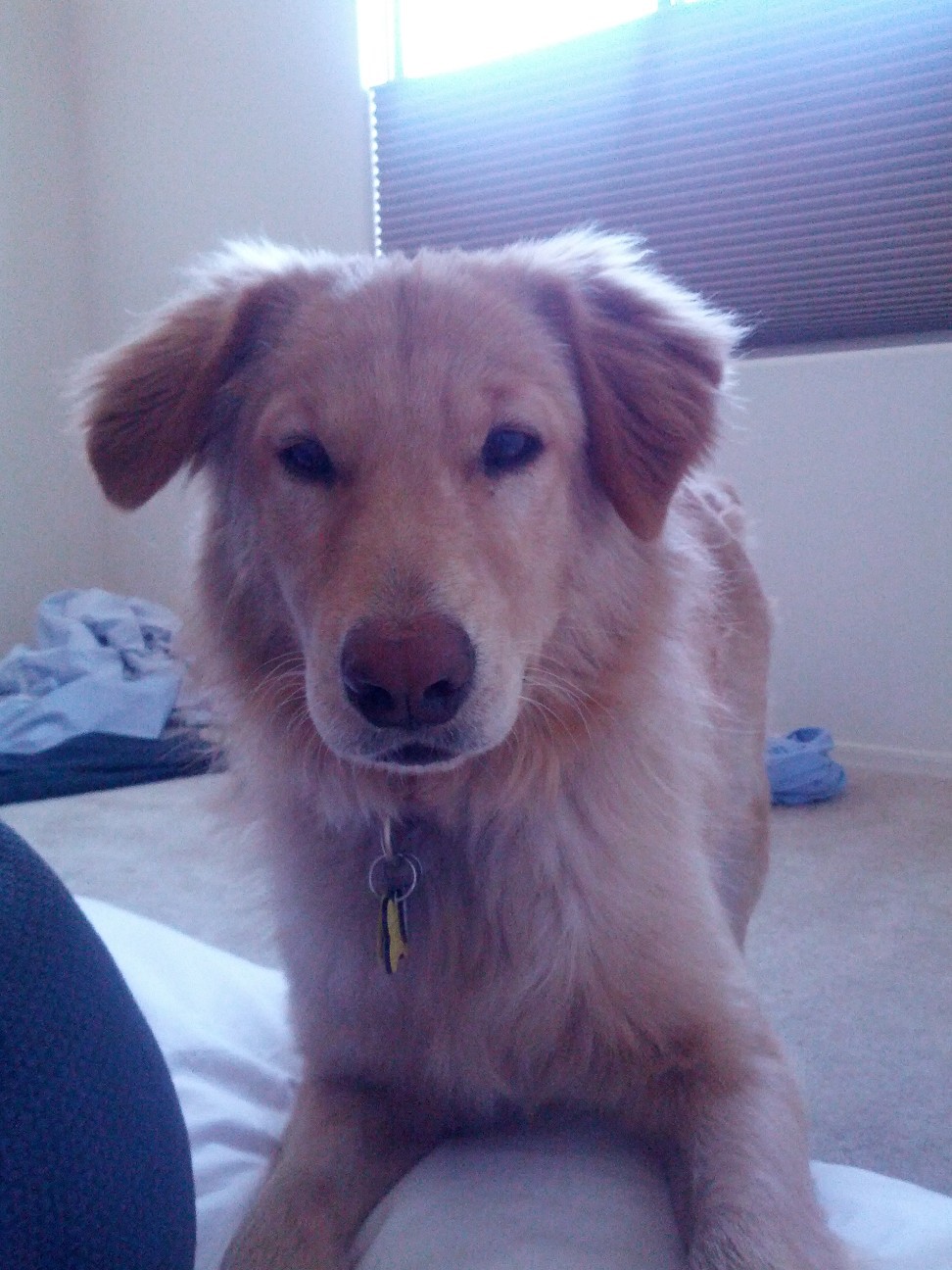
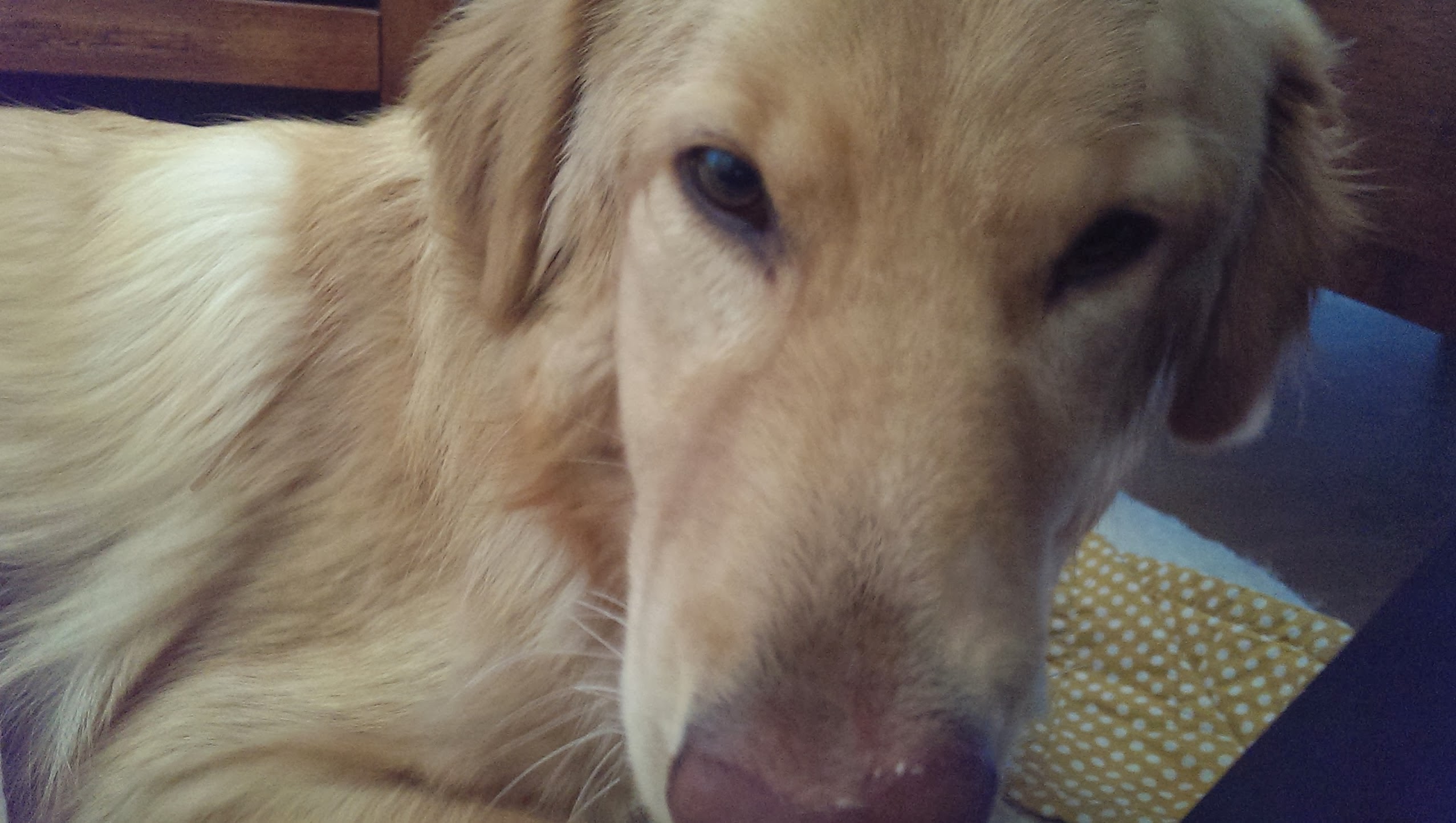
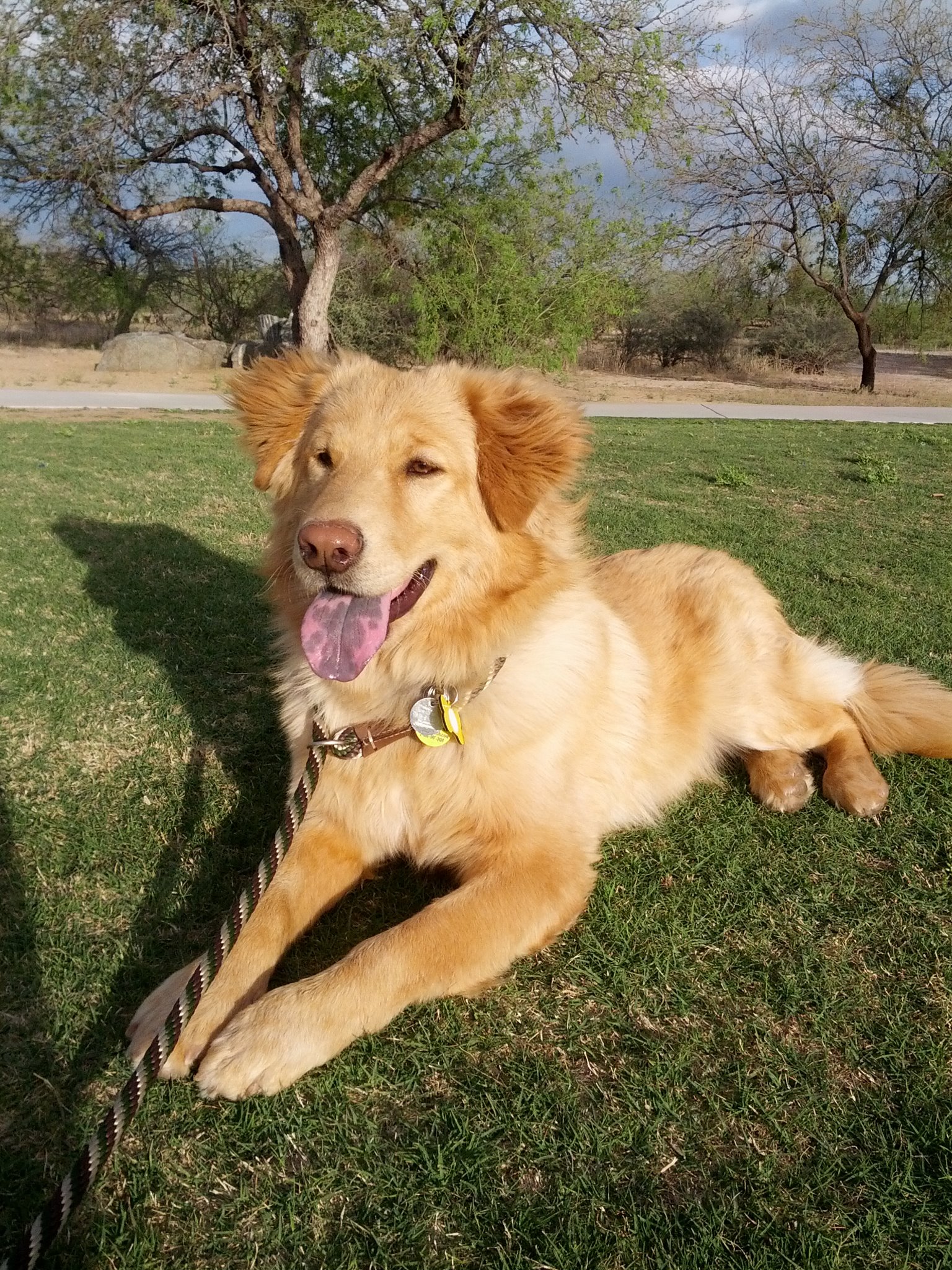
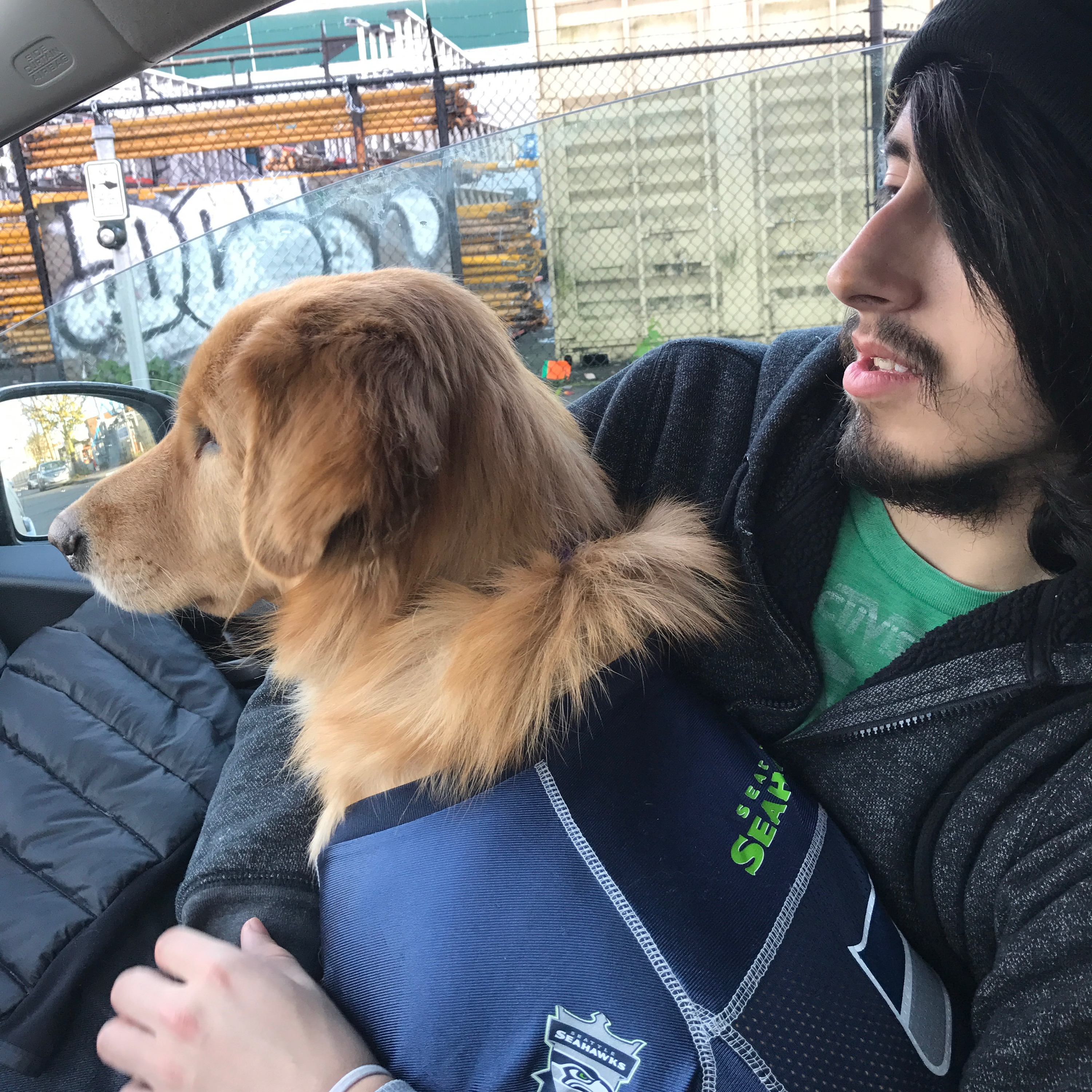
That year brought new beginnings for both of us when we relocated to Seattle. Bringing him to the office was a condition of accepting the job, and thankfully they agreed. Cooper approached his new coworkers the same way he approached everyone—never rushing into friendships, every connection earned slowly, deliberately. But those who took the time found themselves rewarded with his particular brand of steady, quiet comfort. Over time, he built a following of people who sought him out on difficult days.
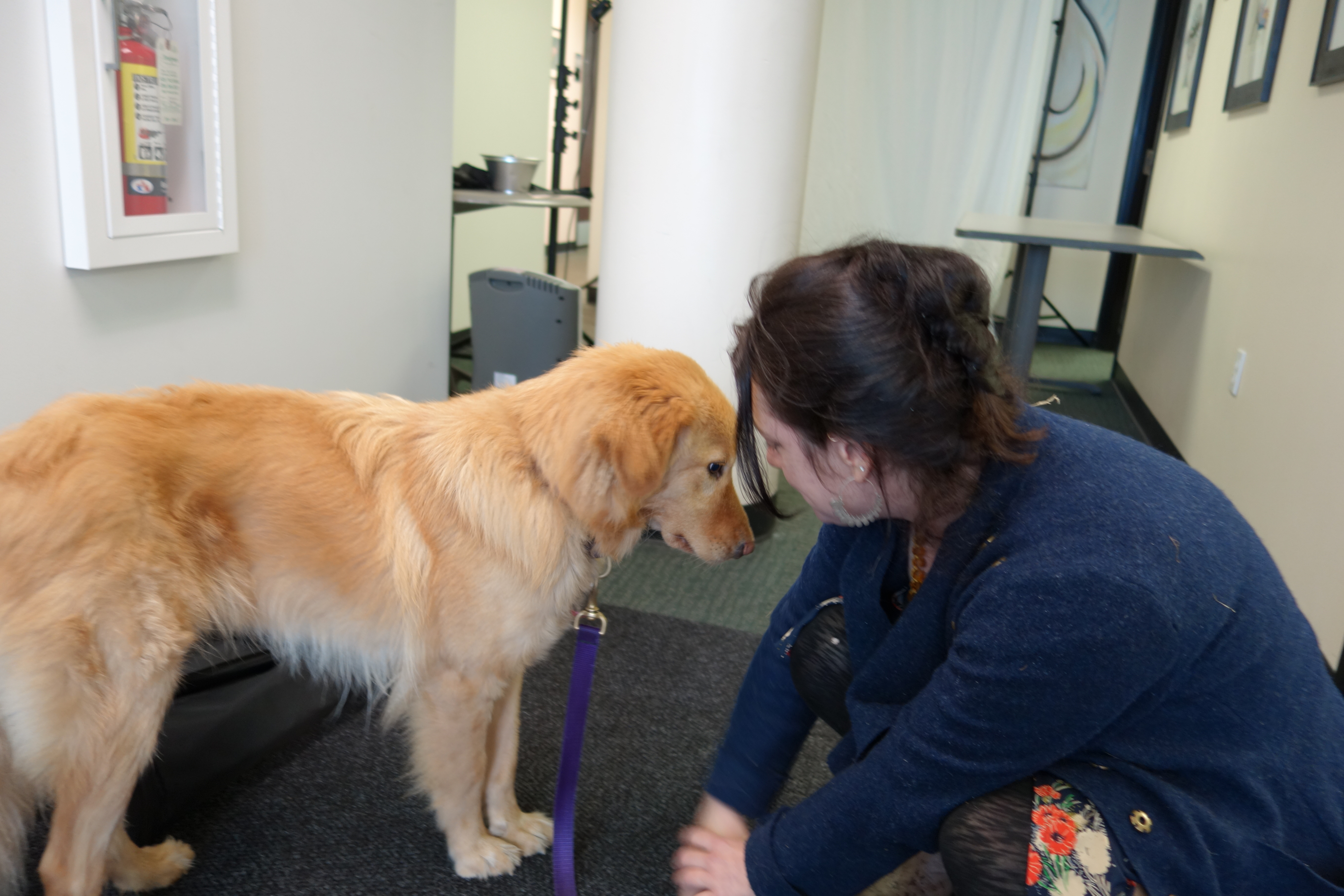
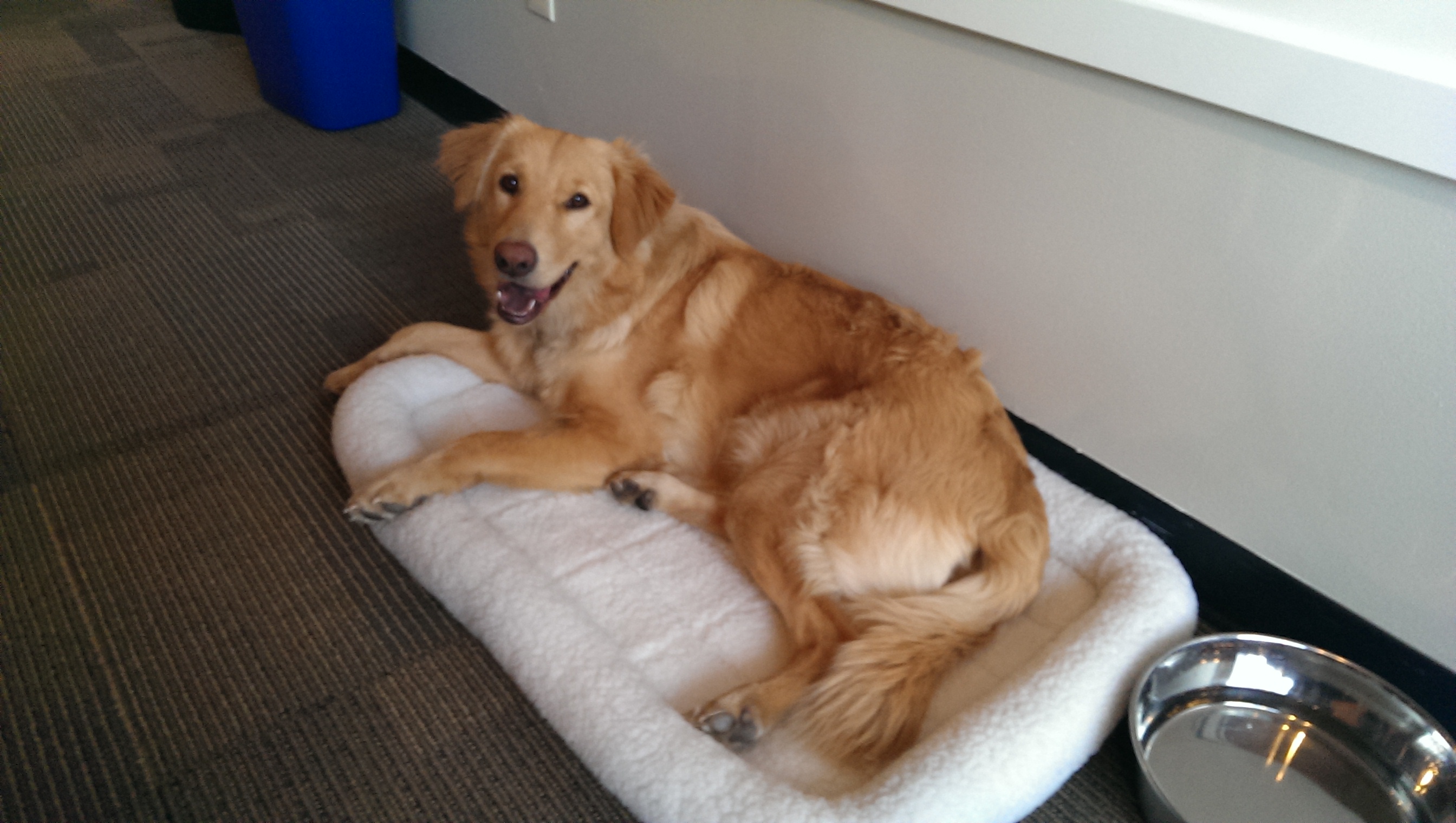
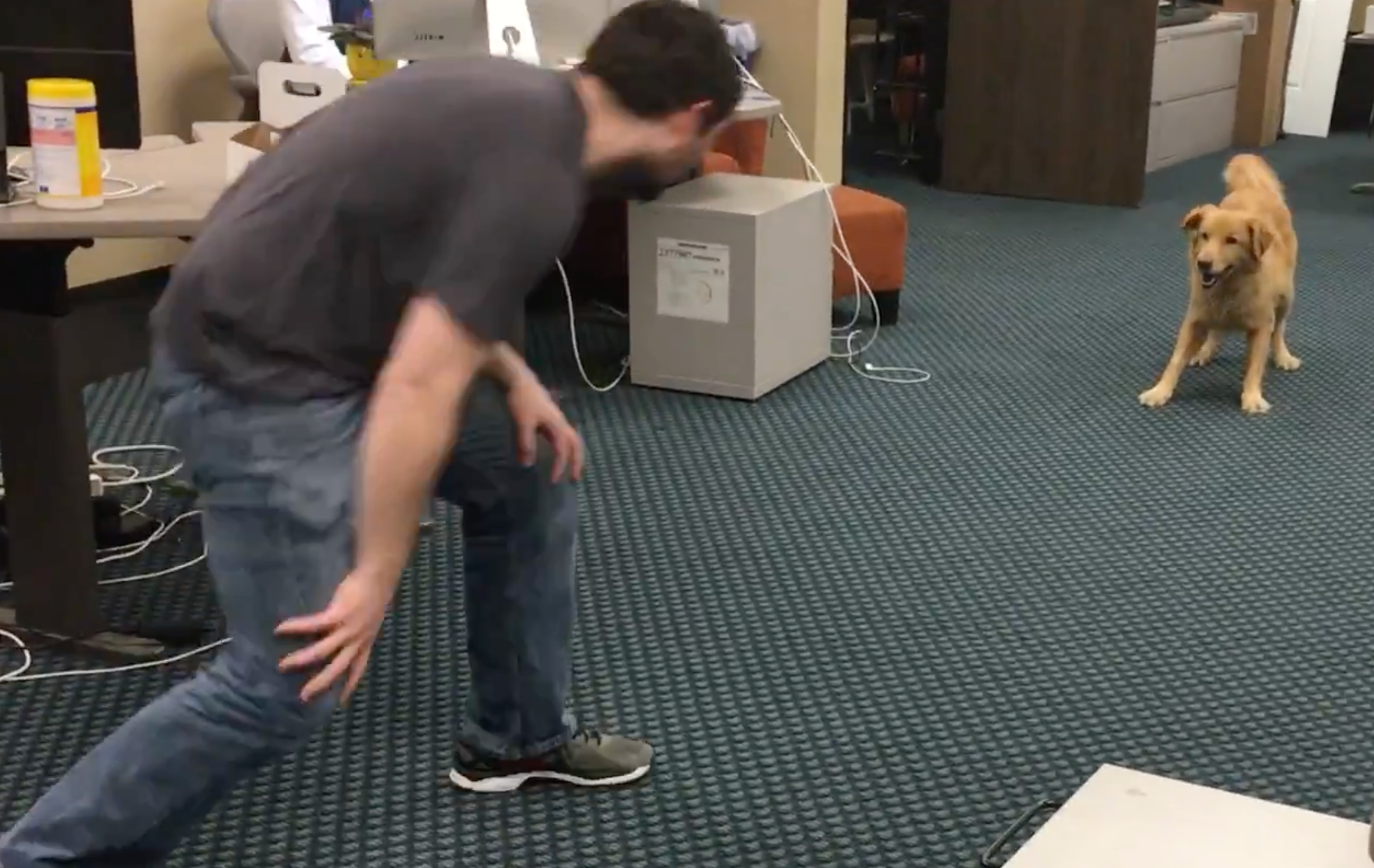
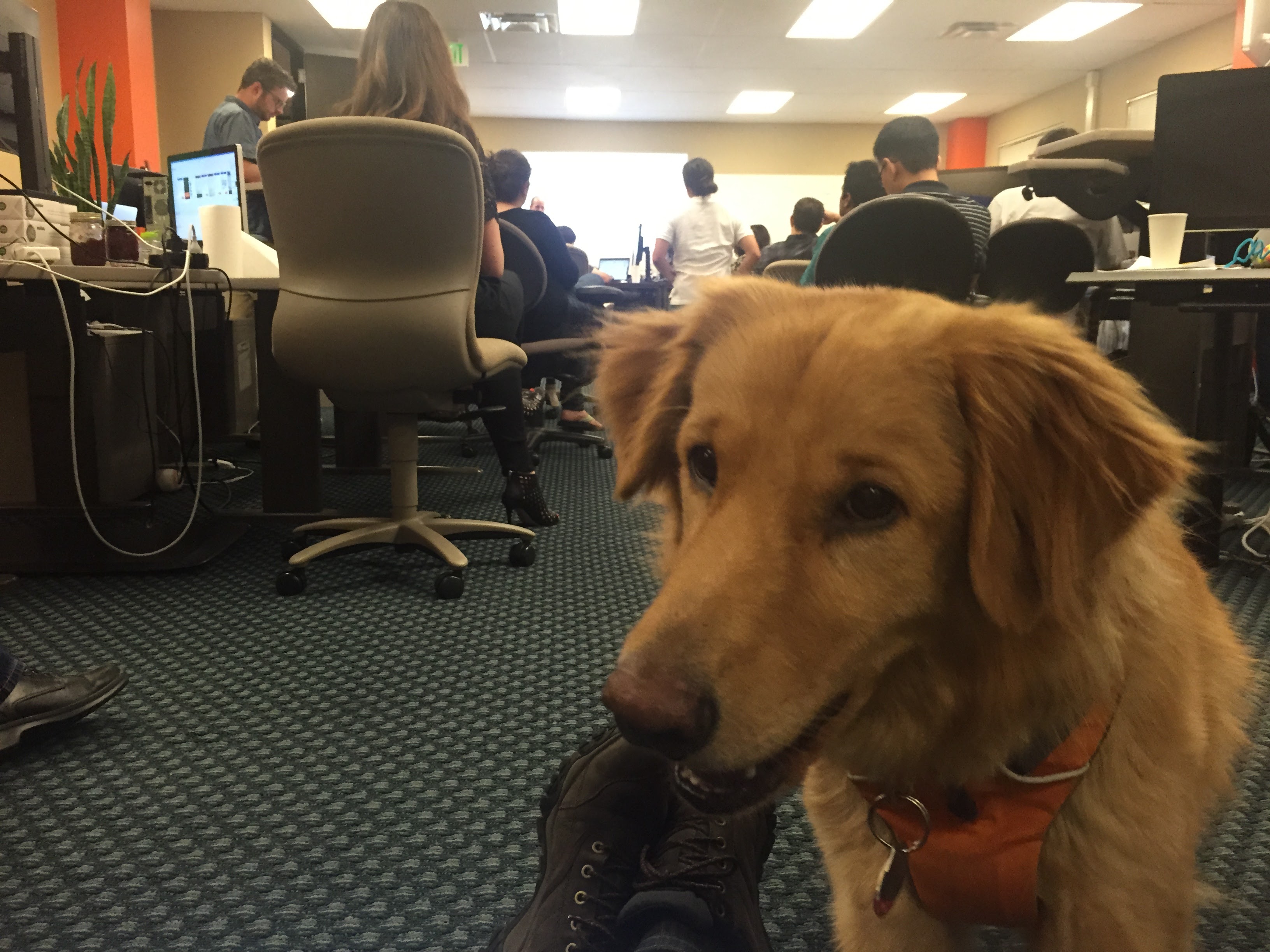
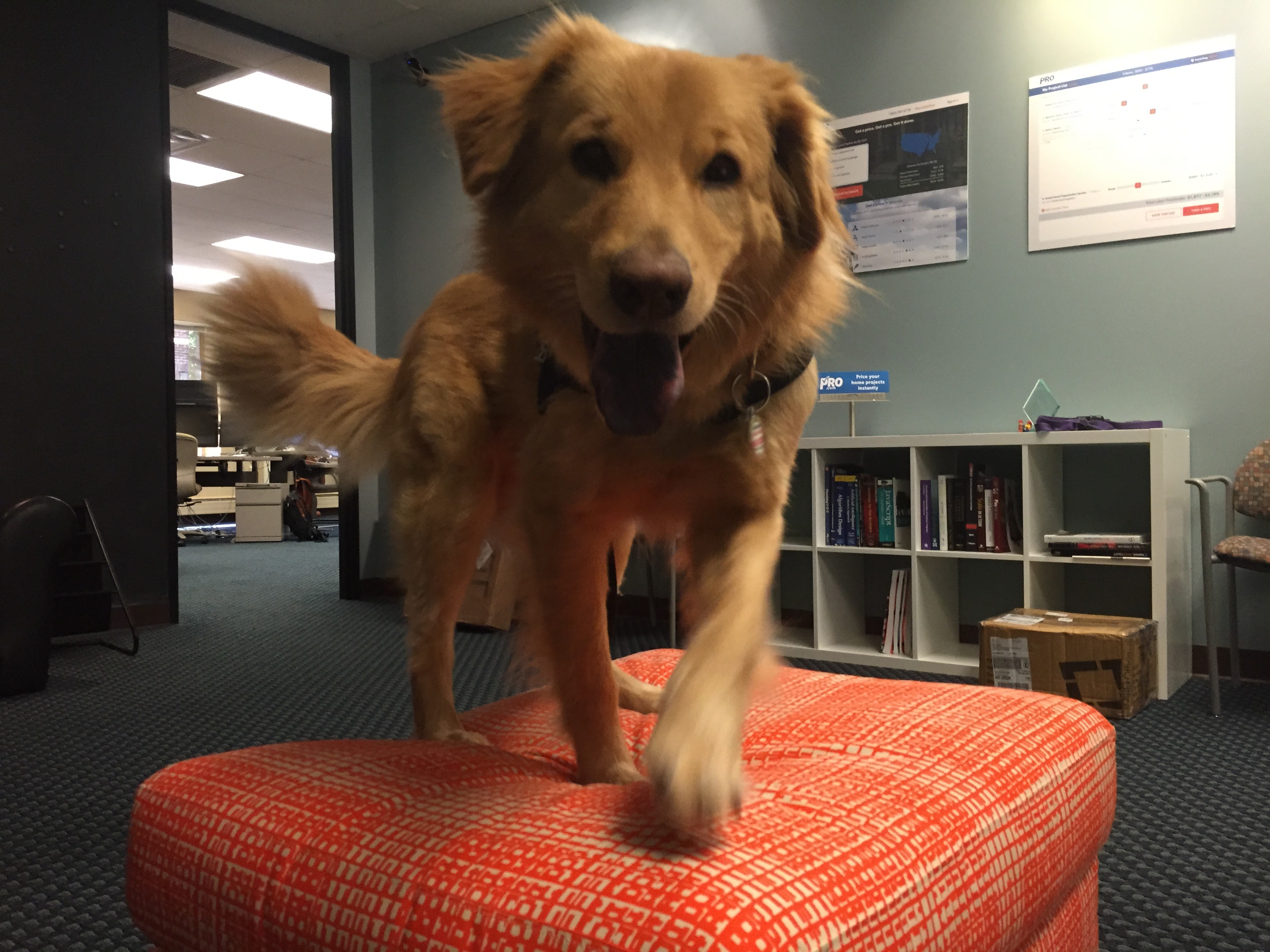
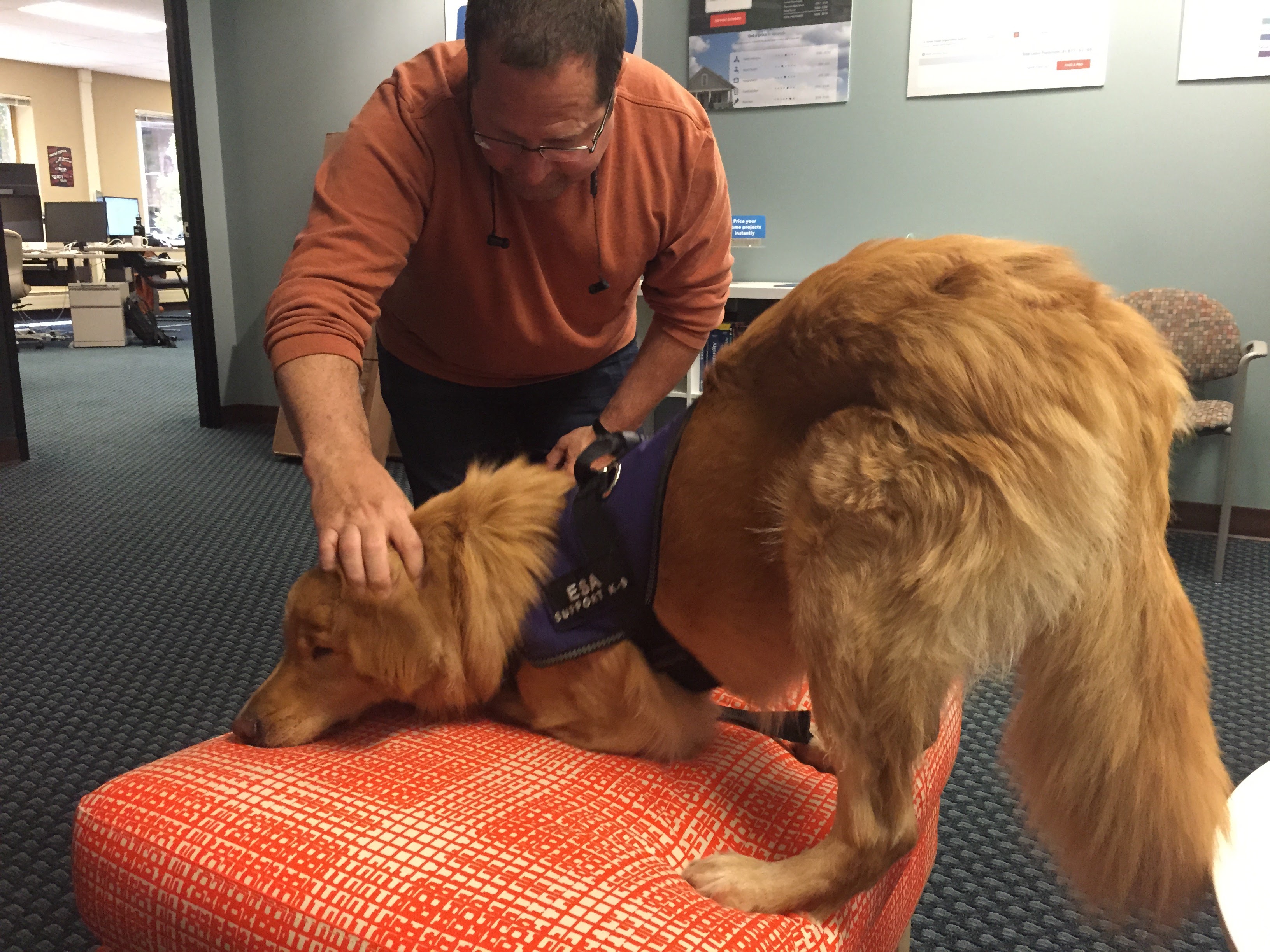

His gift for healing extended beyond our office walls. When a coworker's family was struggling, Cooper became their temporary companion. He'd spend days at their home, joining them on walks and outings, offering the kind of wordless support that only he could provide. In their difficult season, he was a source of both calm and unexpected joy.
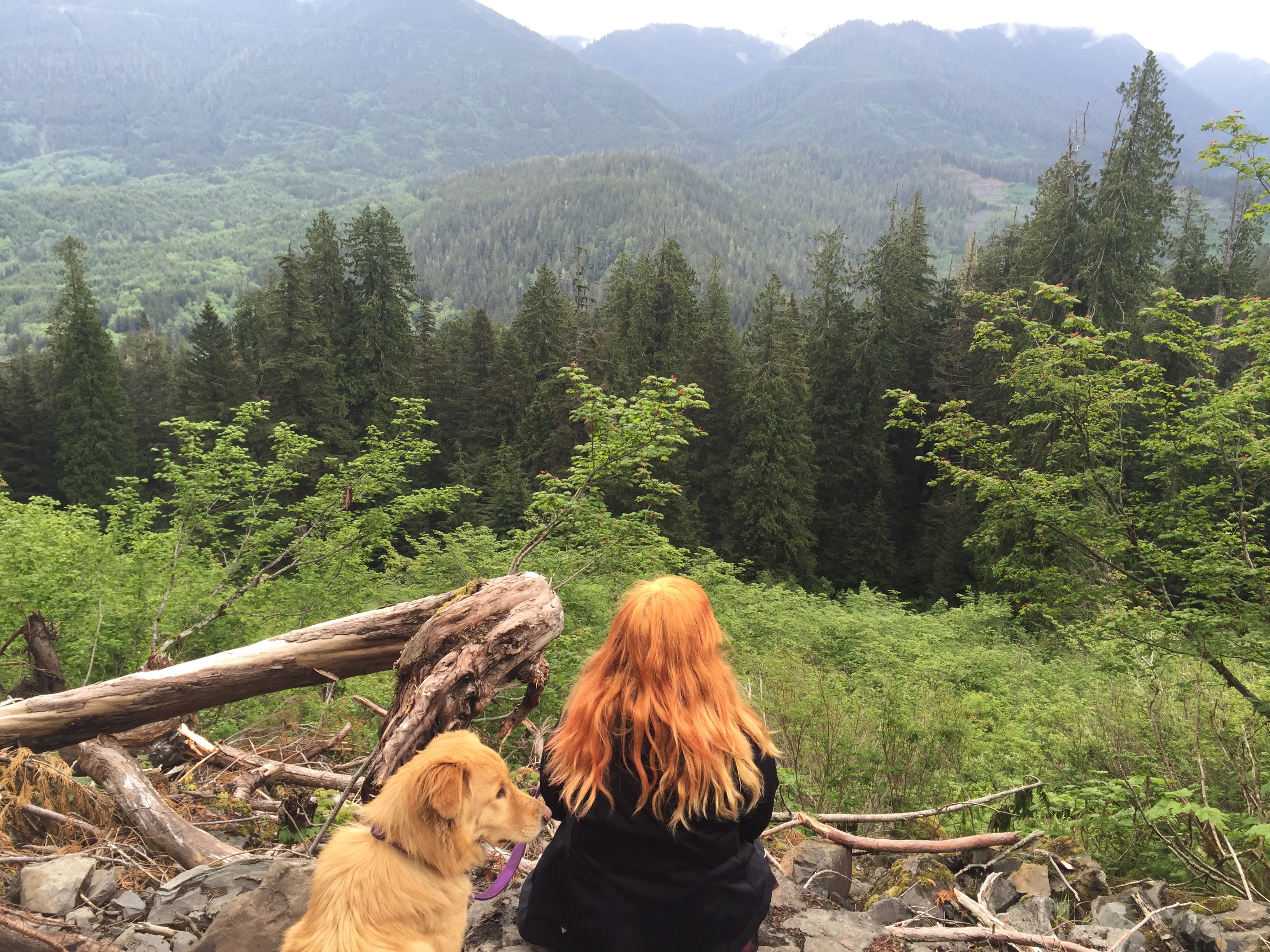
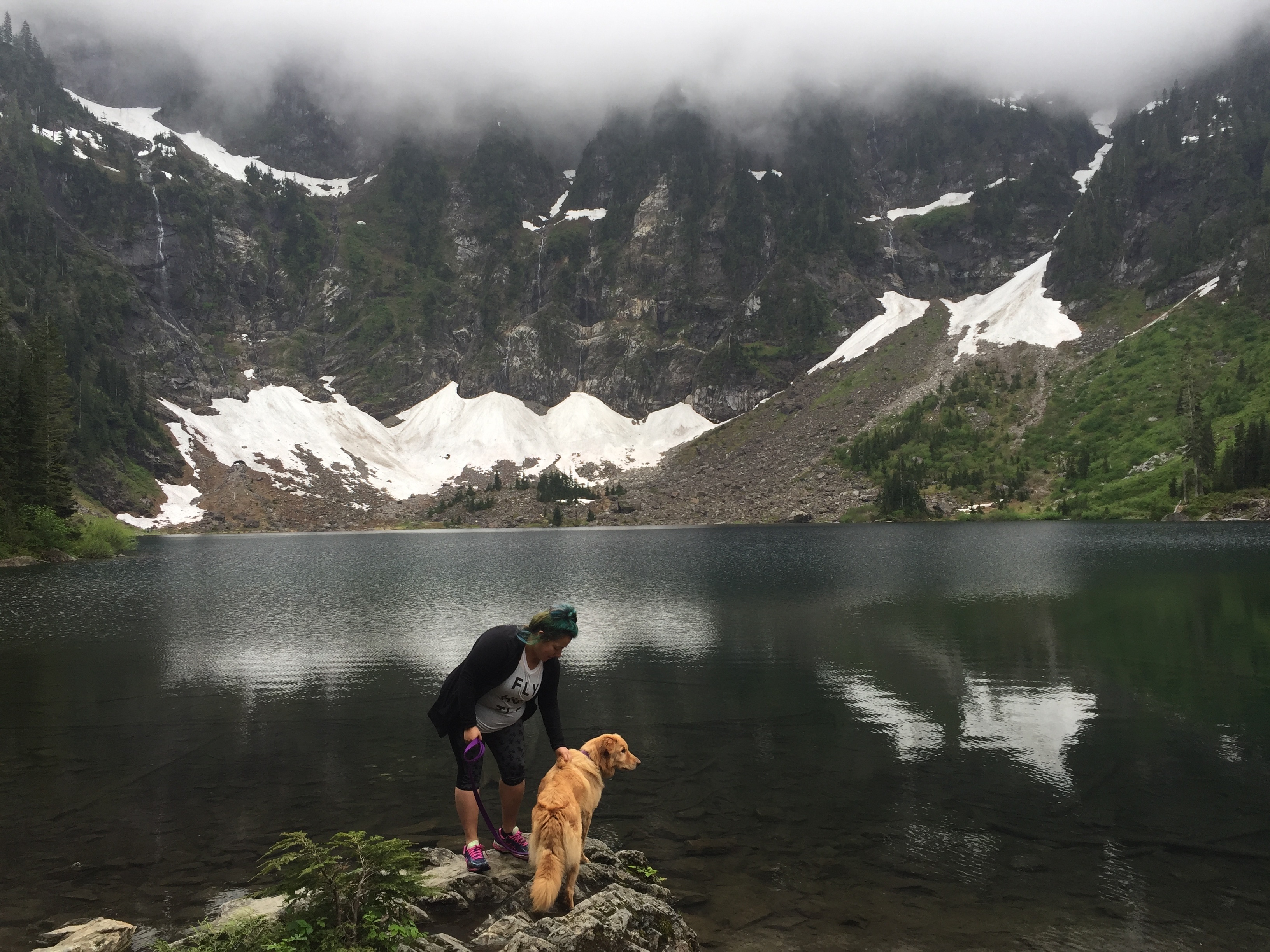
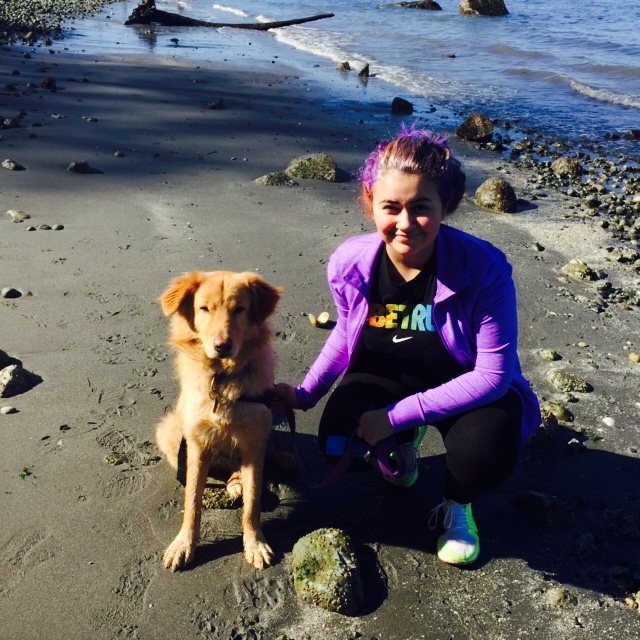
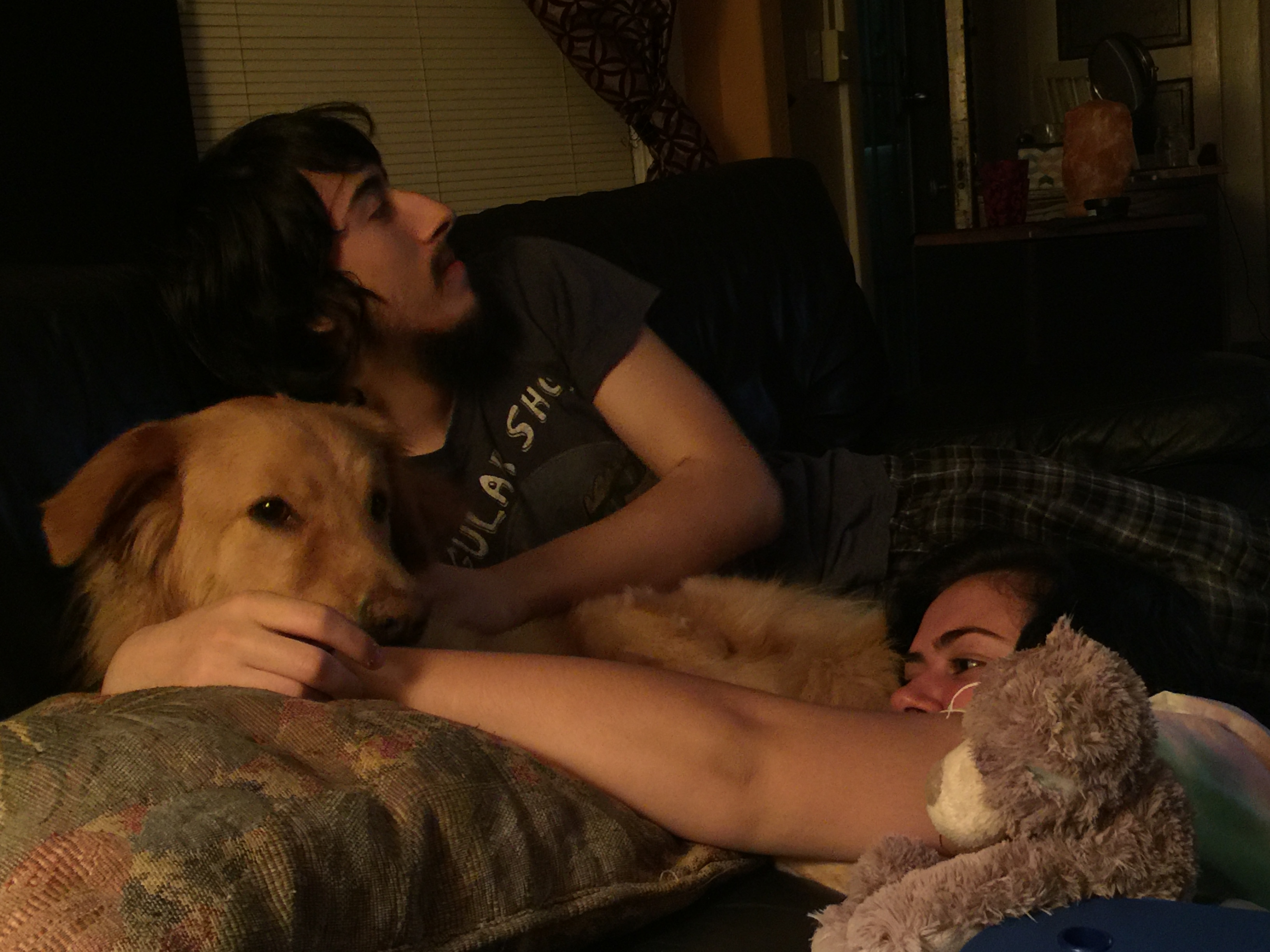
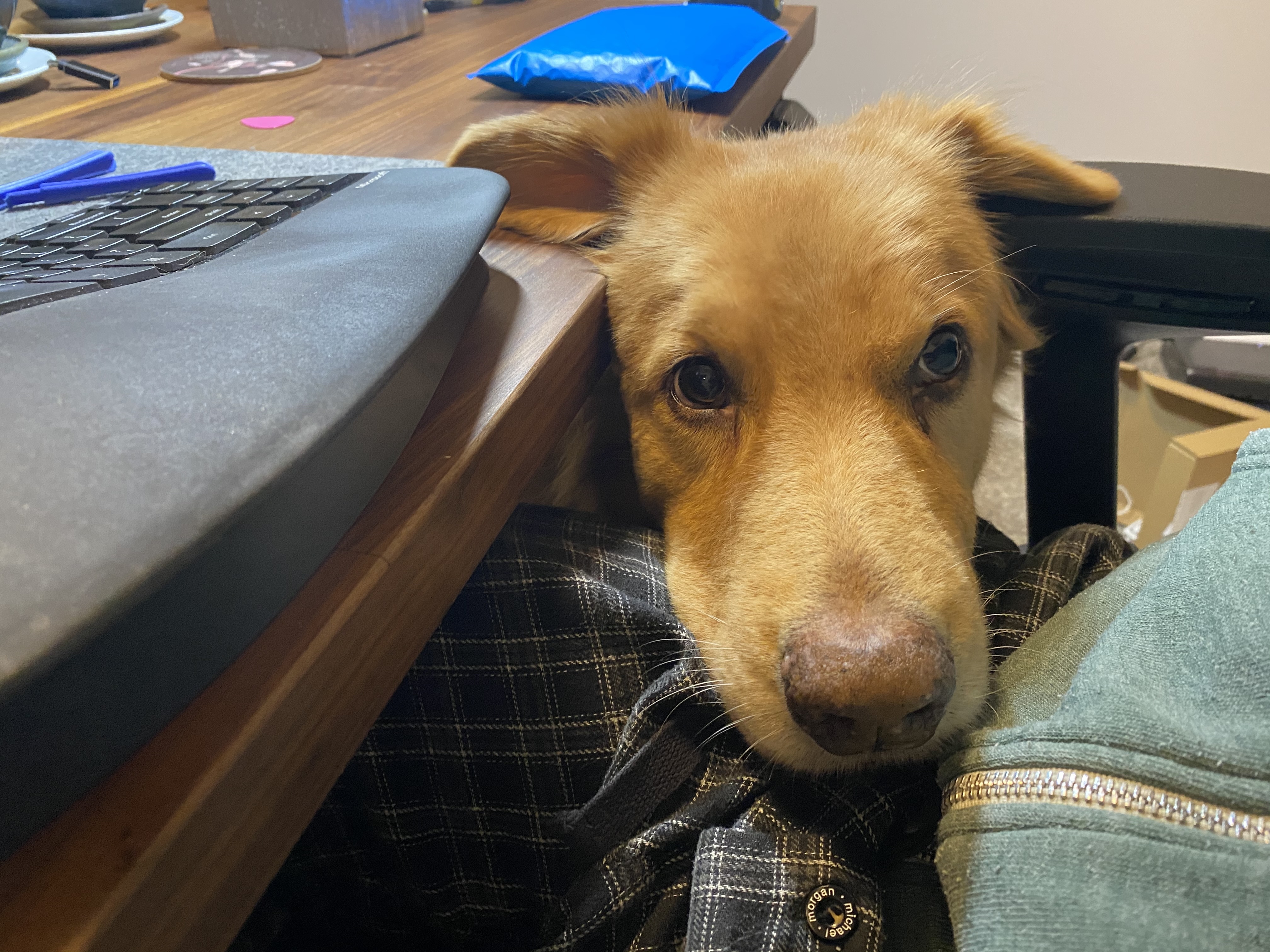
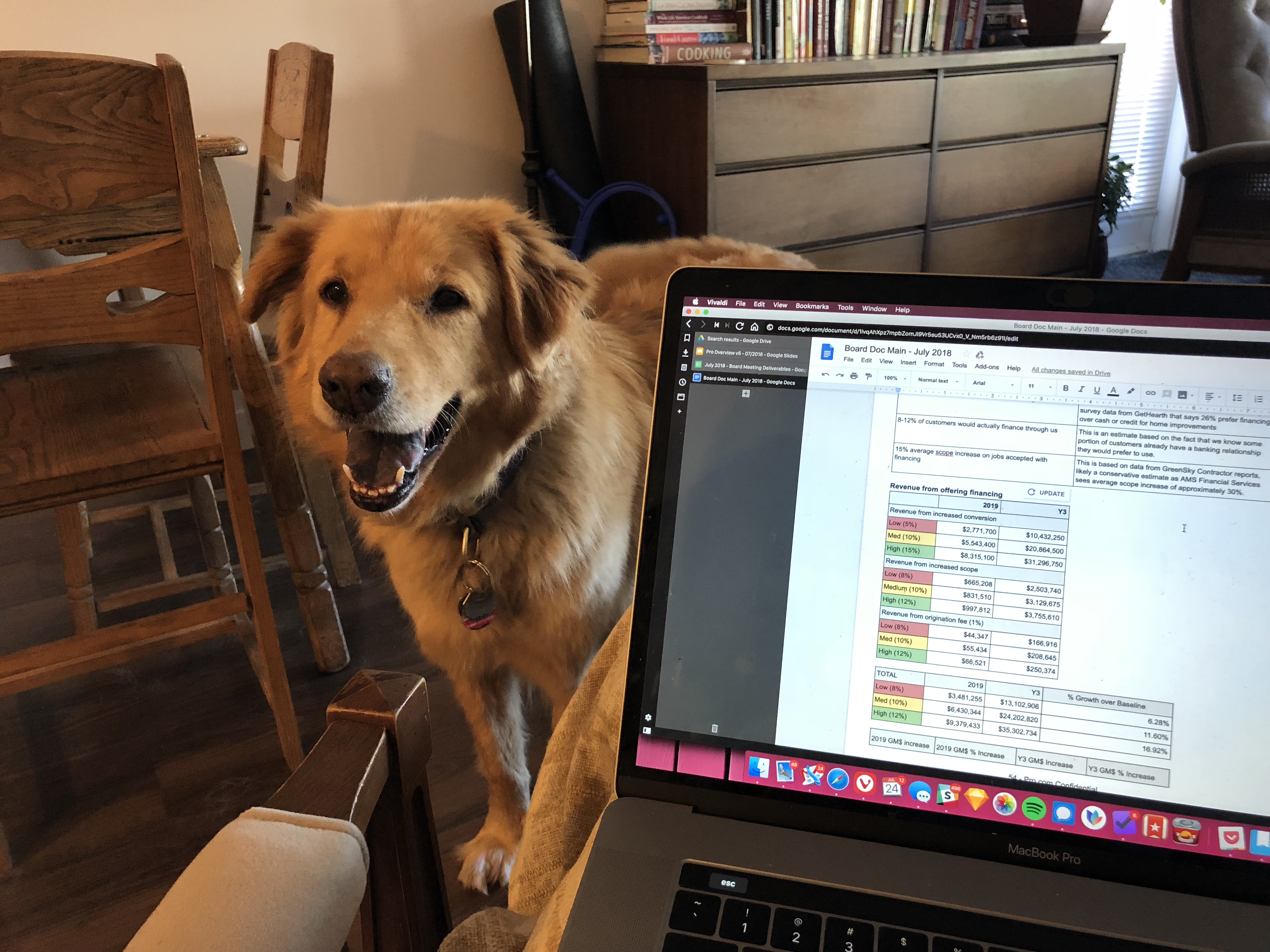
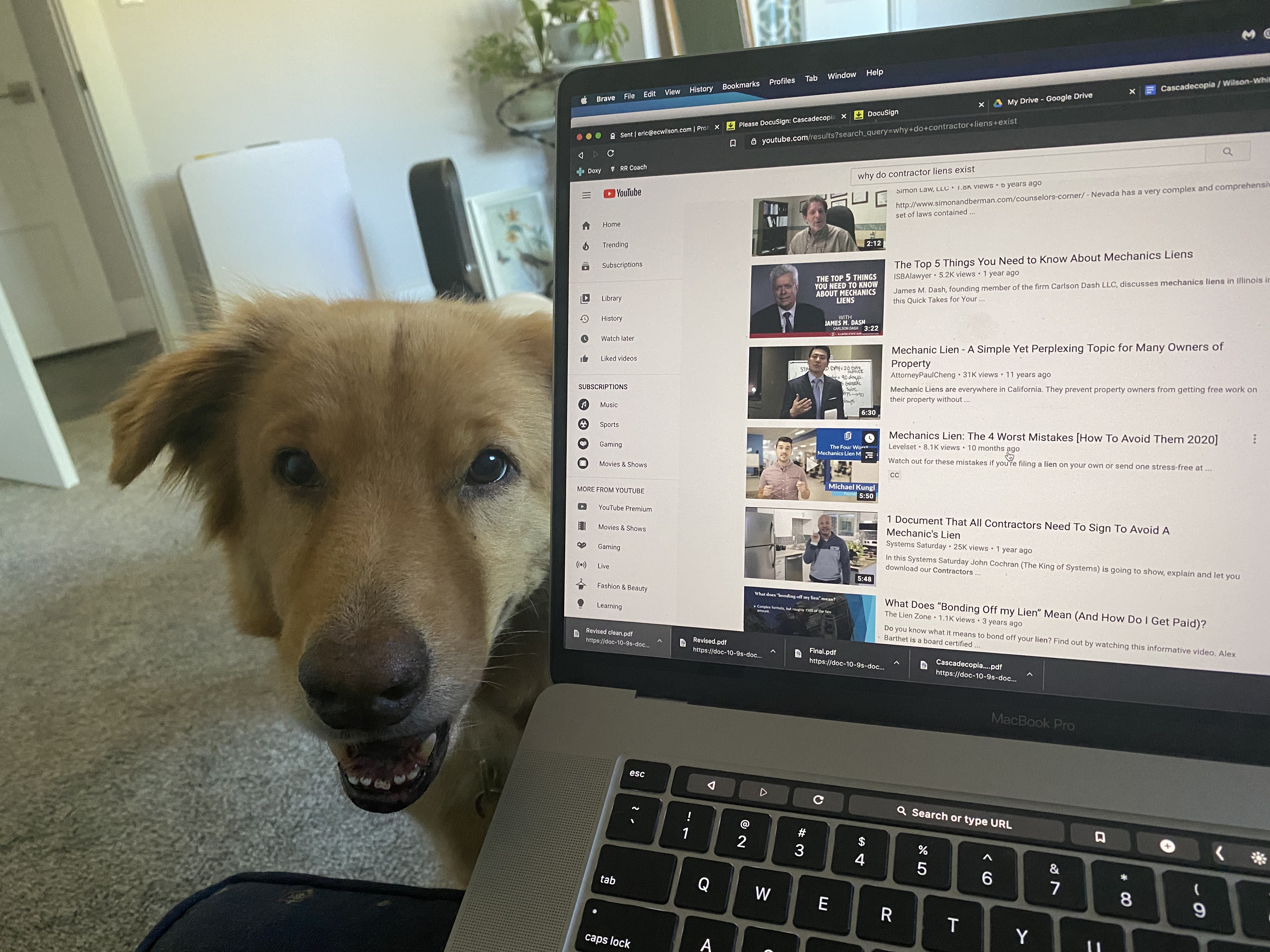
Cooper took his role as work-life balance enforcer seriously, monitoring my habits both at the office and at home. When I'd been focused too long, he'd intervene—sometimes with a meaningful stare, sometimes more directly. One evening I was deep in preparation for a board meeting when he positioned himself in front of me, lifted one deliberate paw, placed it on my laptop, and slowly, firmly pressed it closed. Whether at my office desk or on the couch with my laptop, his message was always clear—some things mattered more.
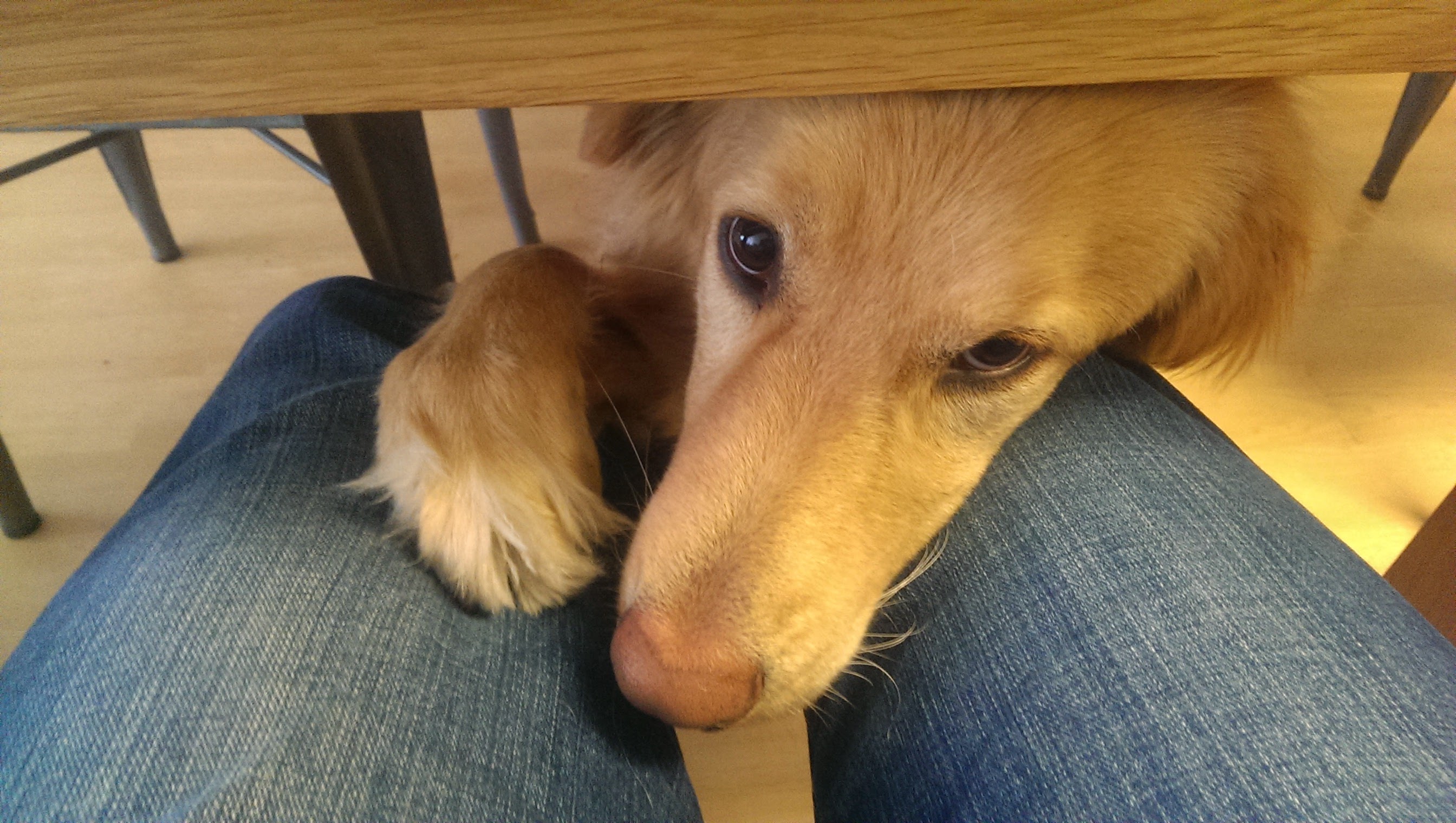
Our walks became one of Seattle's daily rhythms. I can still picture our routine: leaving my apartment, Cooper holding his excitement in check during the long corridor to the elevator. But with each step, the anticipation would build inside him until, right at the elevator doors, he couldn't contain it anymore—a full 360-degree spin of pure joy, every single time.
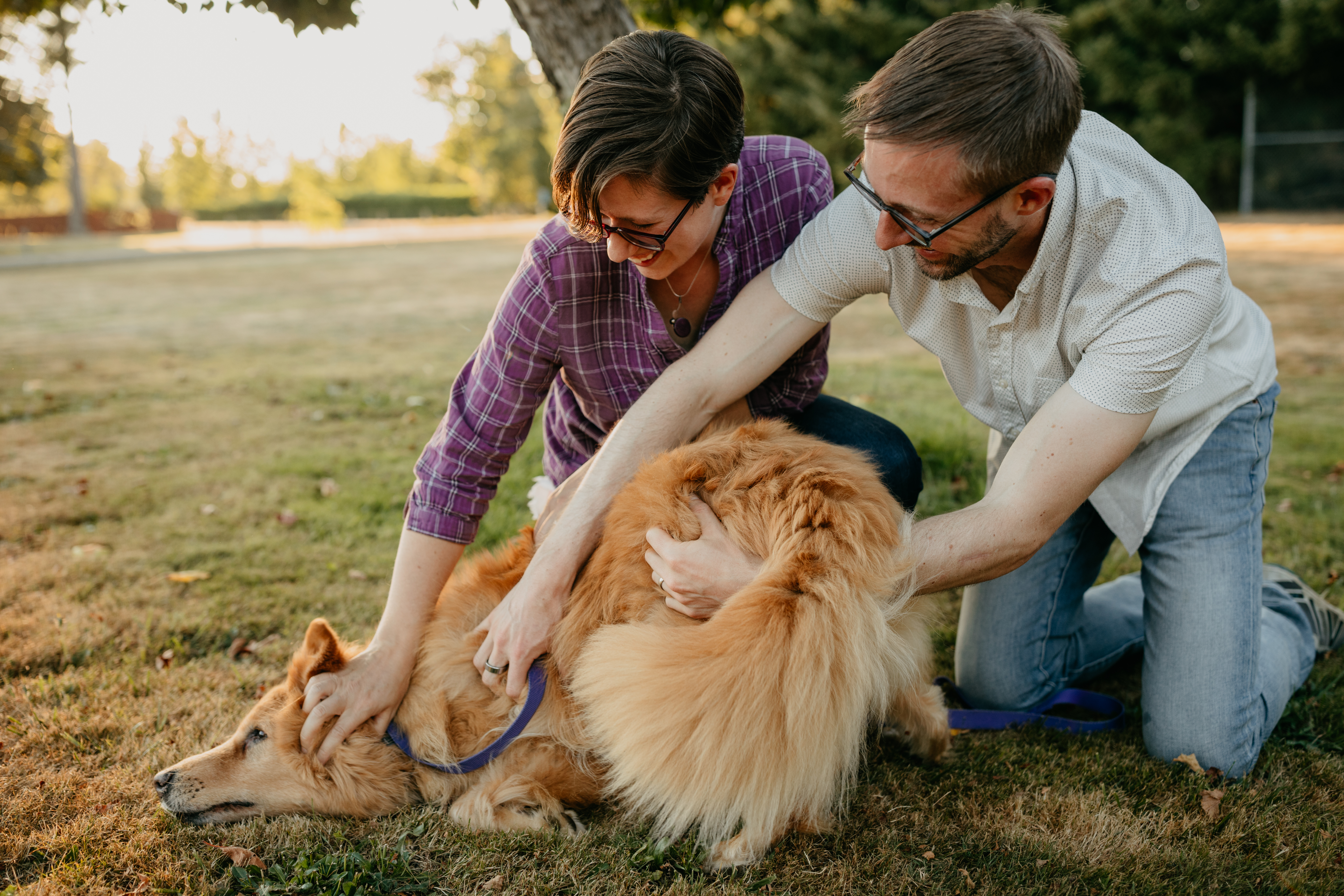
We moved through the world as a singular unit. Cooper softened my edges, making it easier for people to connect with me—including Kendra. And as the two of them fell in love, we became a family. The greatest gift I ever gave Cooper wasn't a home or security—it was another person who loved him just as deeply as I did.
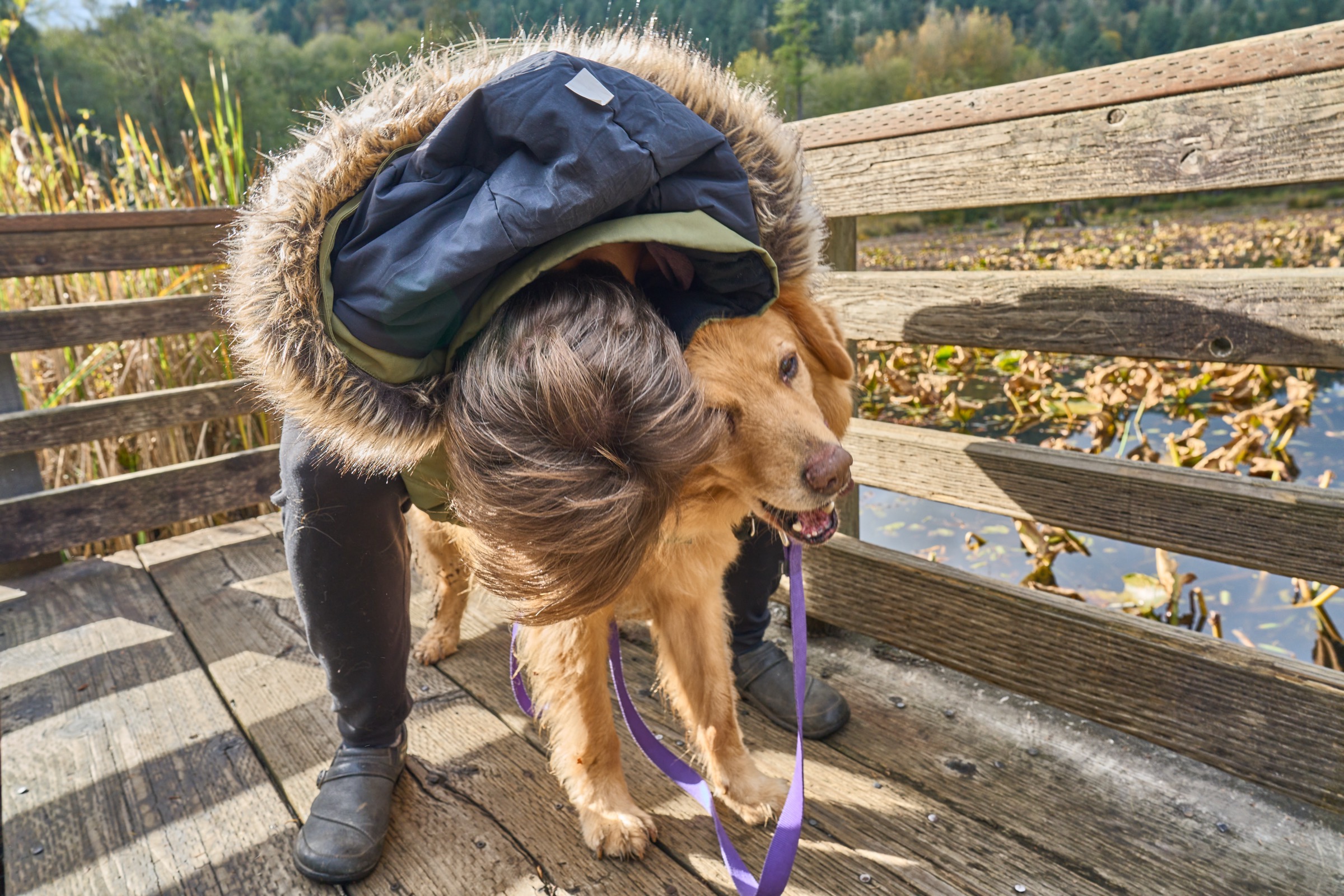
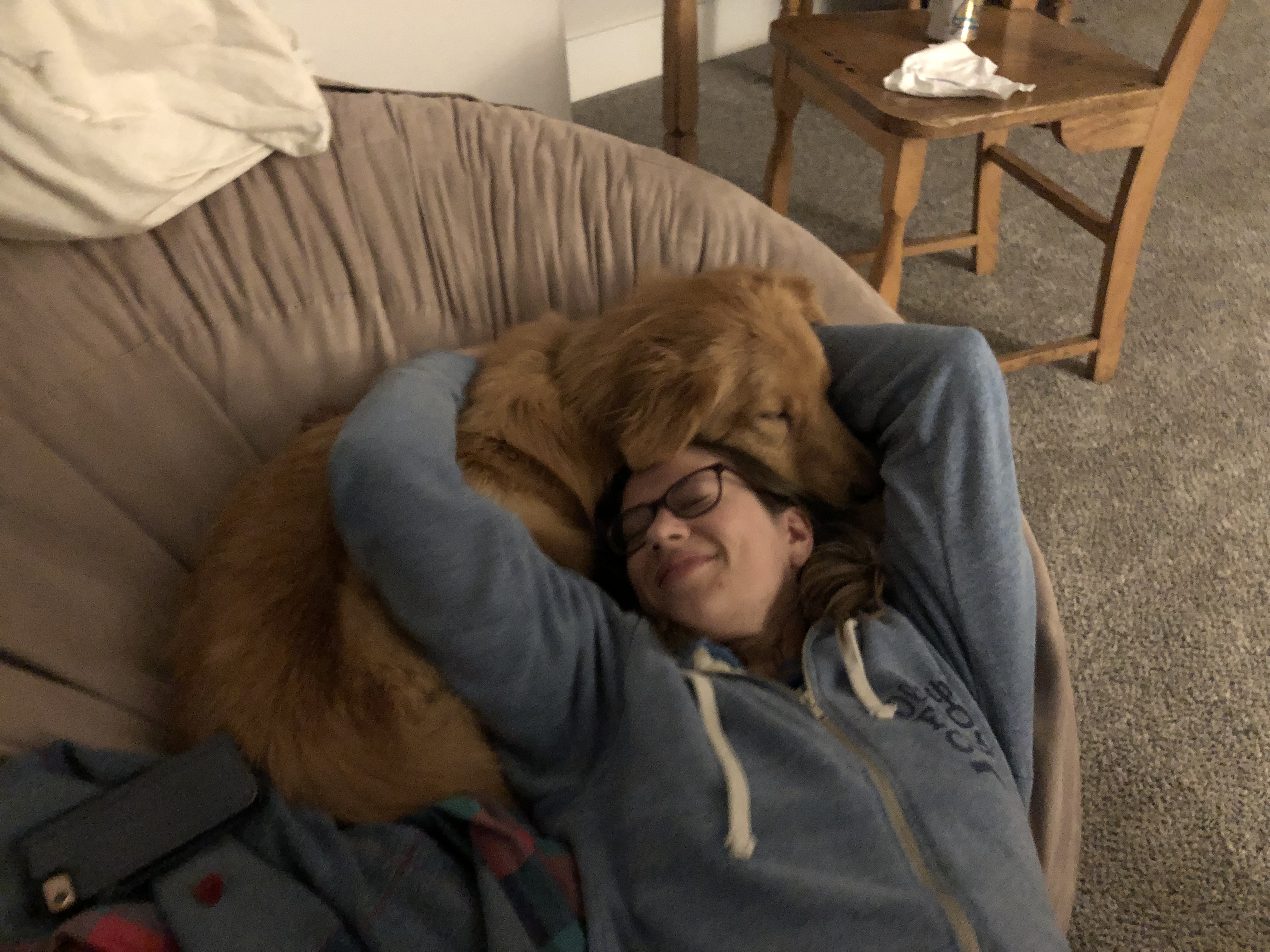
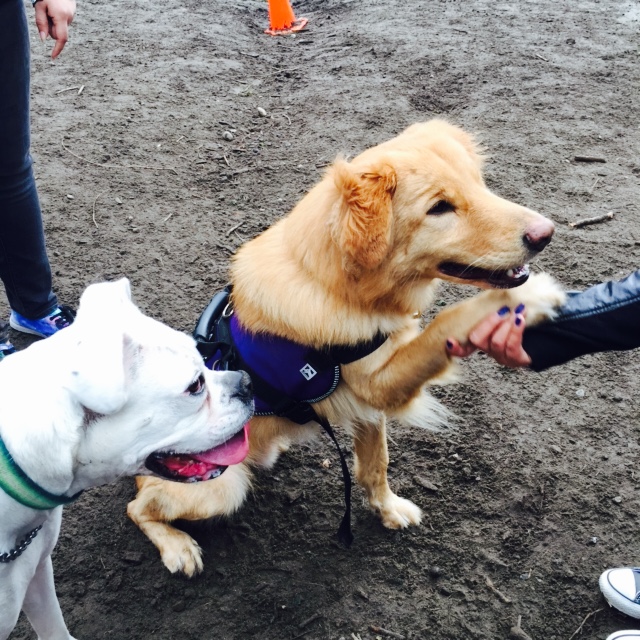
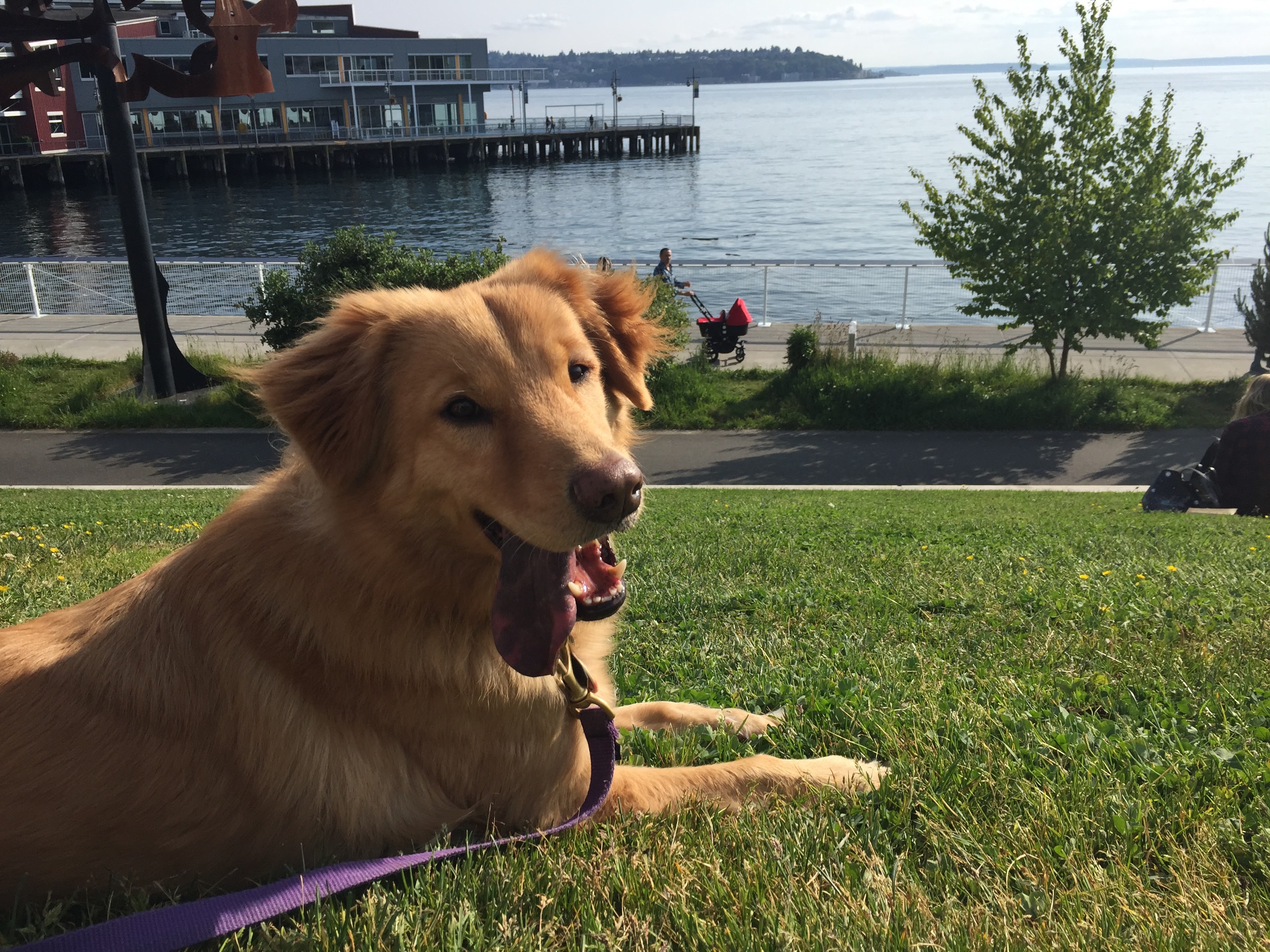
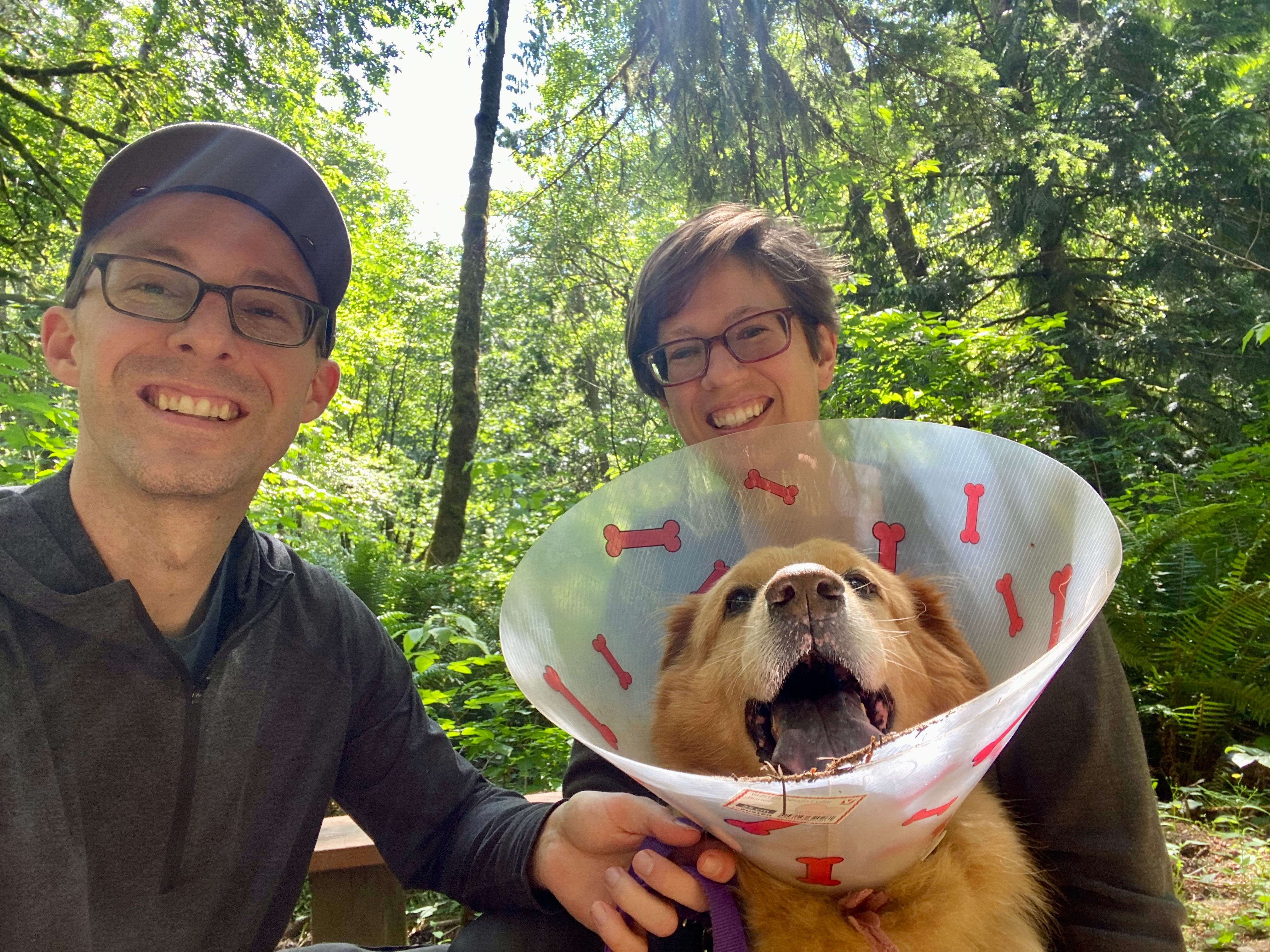
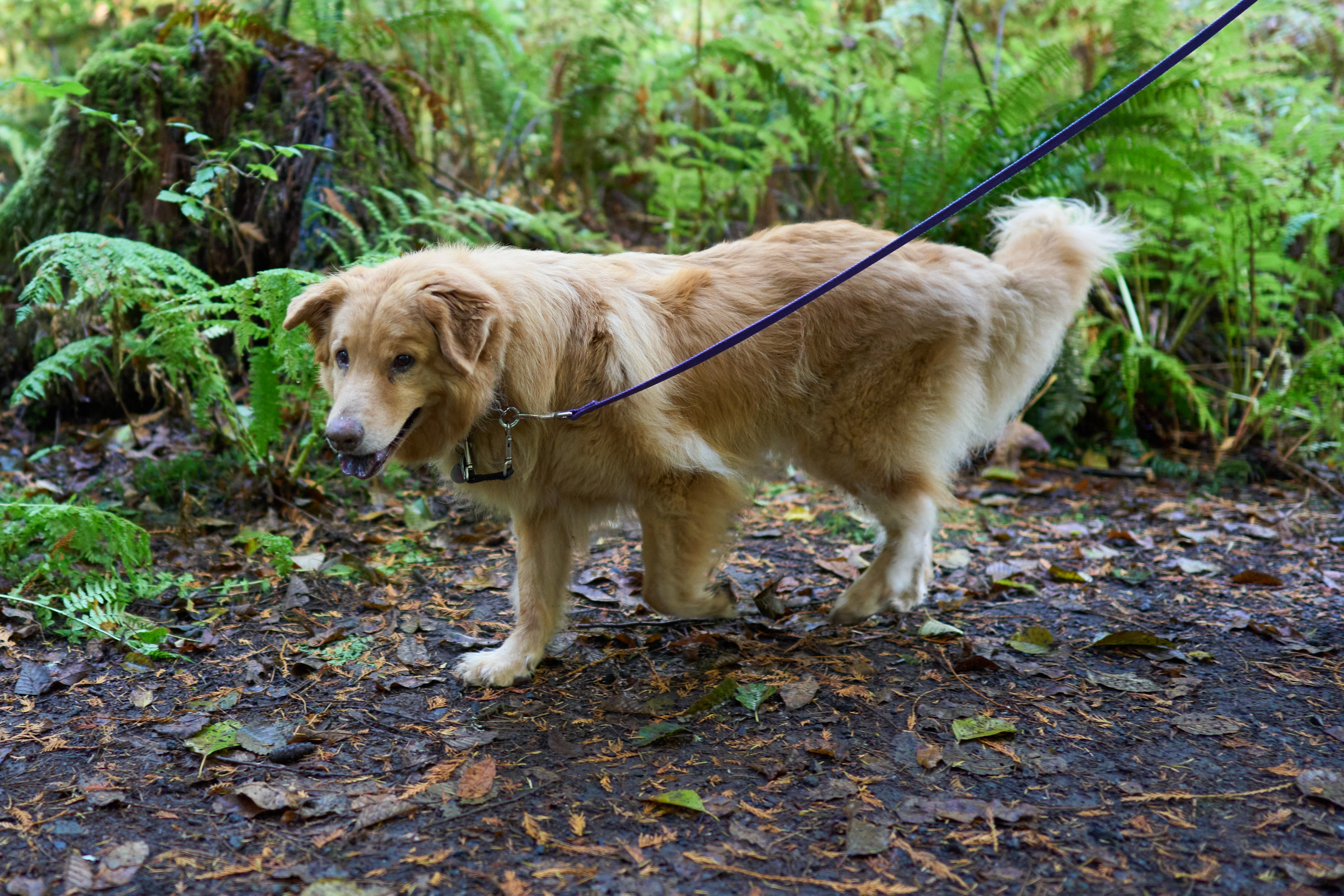
Seattle gave the three of us countless adventures—we explored trails through evergreen forests, spent long afternoons at the 42-acre off-leash dog park at Marymoor, and wandered through new neighborhoods together. Cooper's approach to these adventures evolved over time. As his anxiety eased and wisdom accumulated, he became remarkably present on our walks. His nose would investigate every scent without hurry, his body moving at a pace that honored the experience rather than the destination. He reminded us constantly that the point wasn't getting somewhere—it was being fully in each moment, finding wonder in the natural world around us.
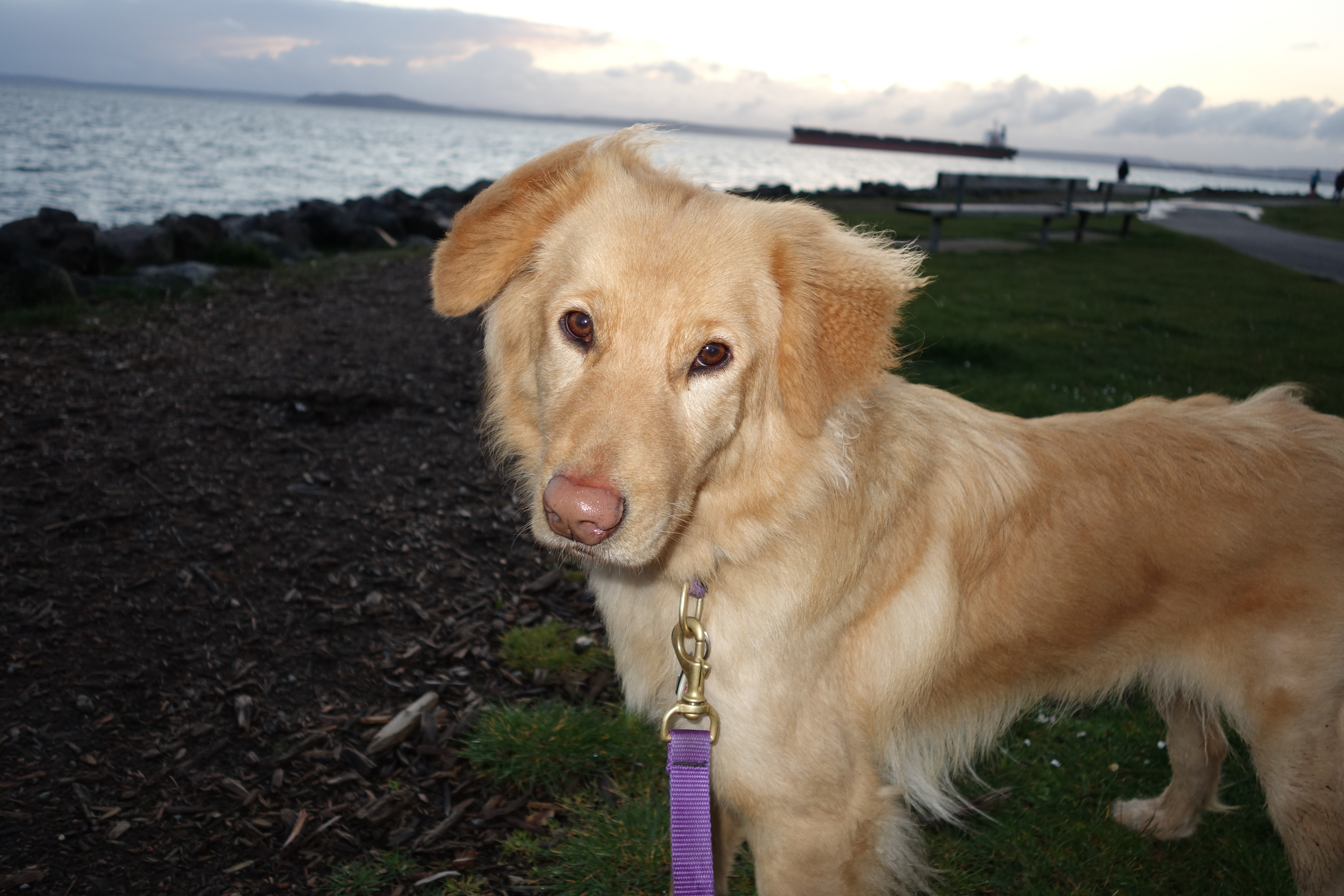
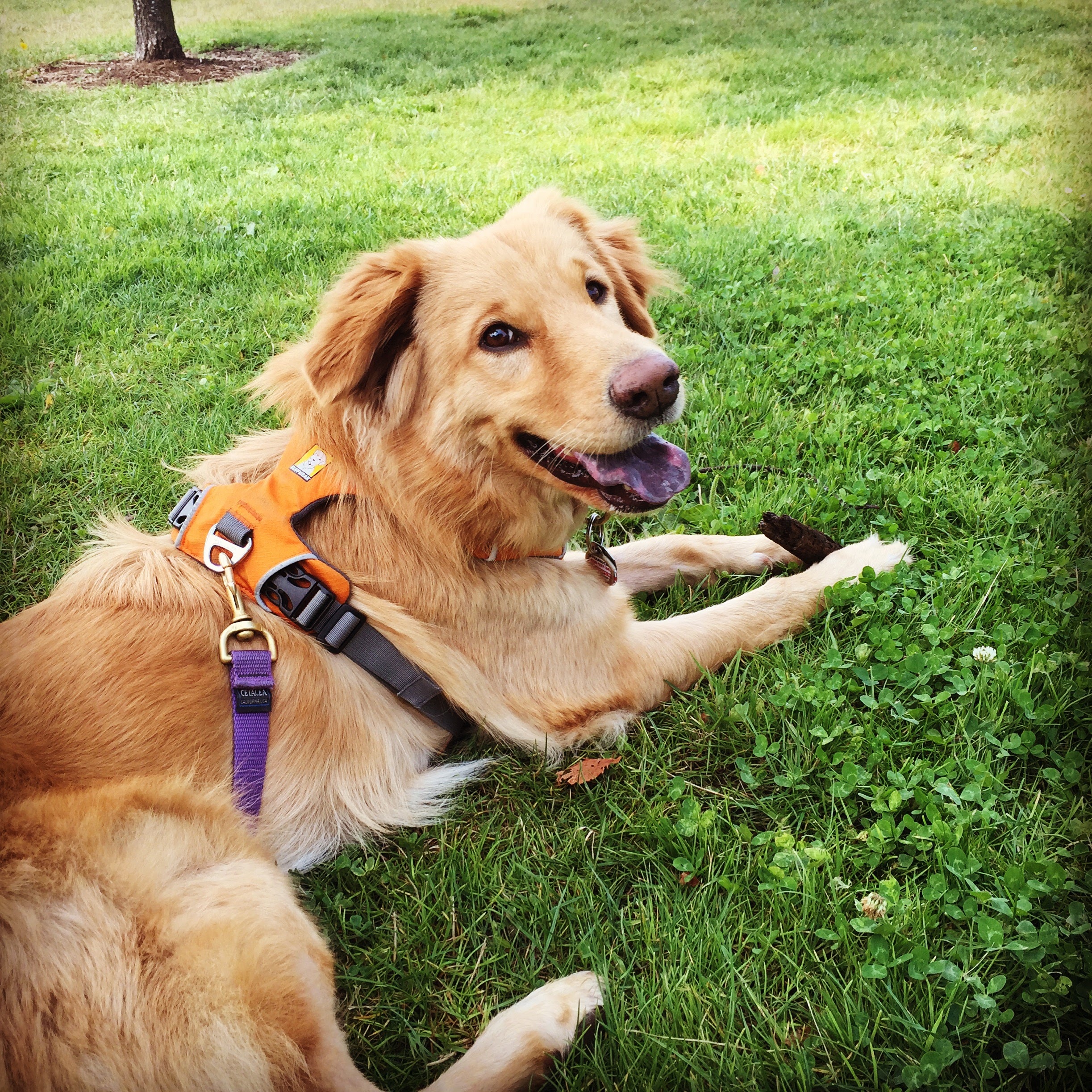
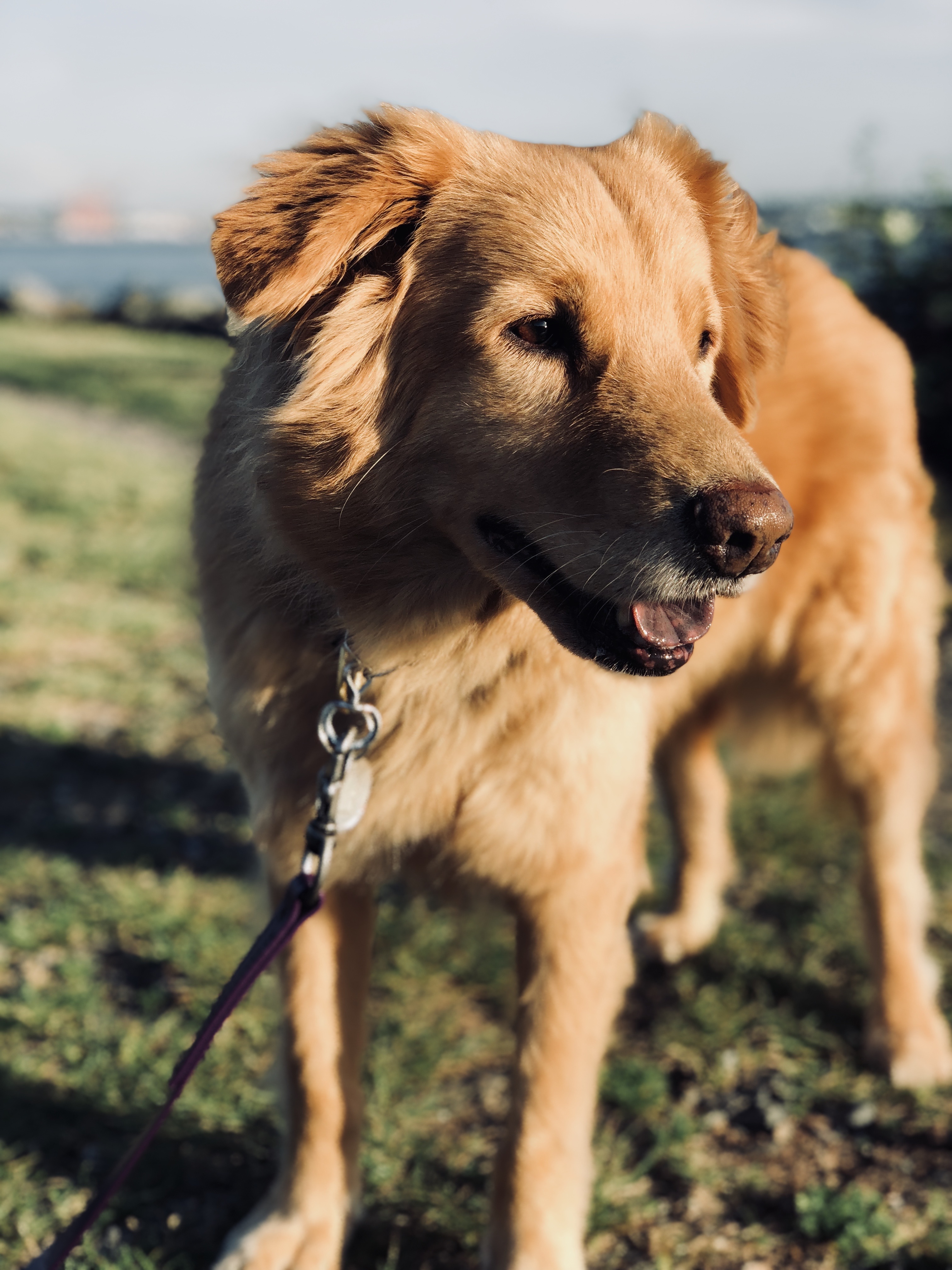
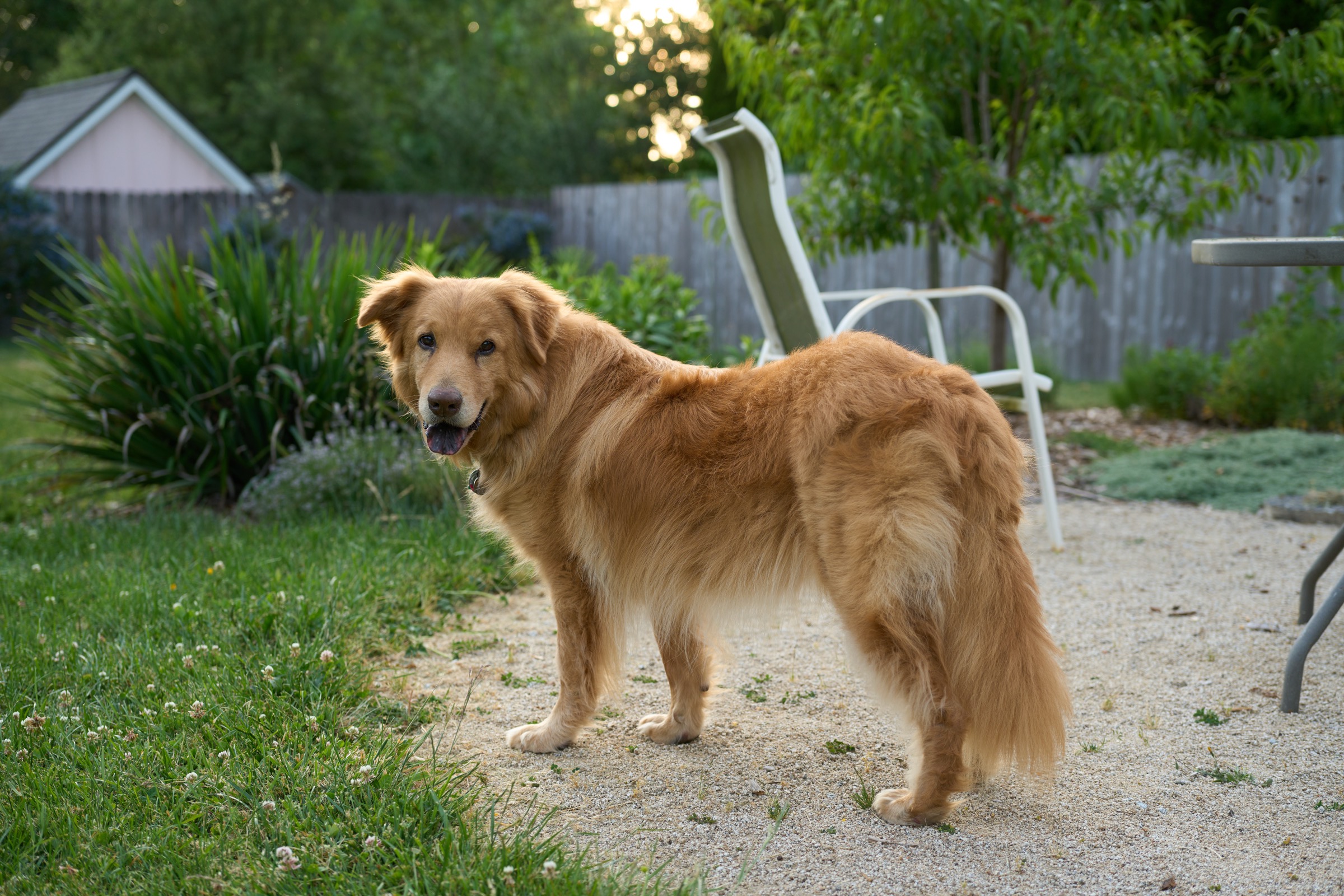
After our wedding, we moved to Olympia and gave Cooper something he'd never had—a yard of his own. He claimed that outdoor space completely, establishing secret hideaways beneath the bushes, spending hours in meditative stillness, reading the wind and listening to birdsong.
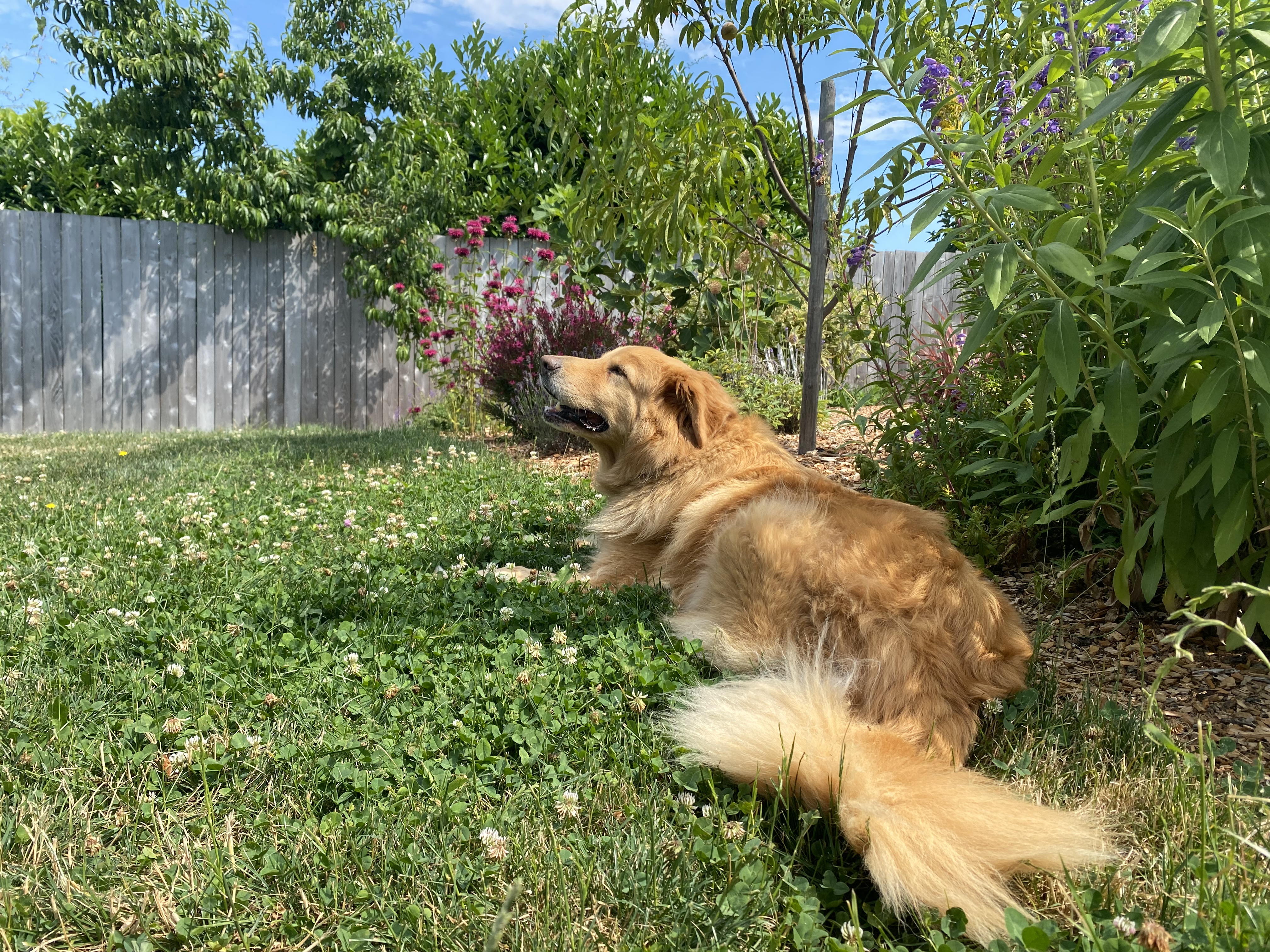
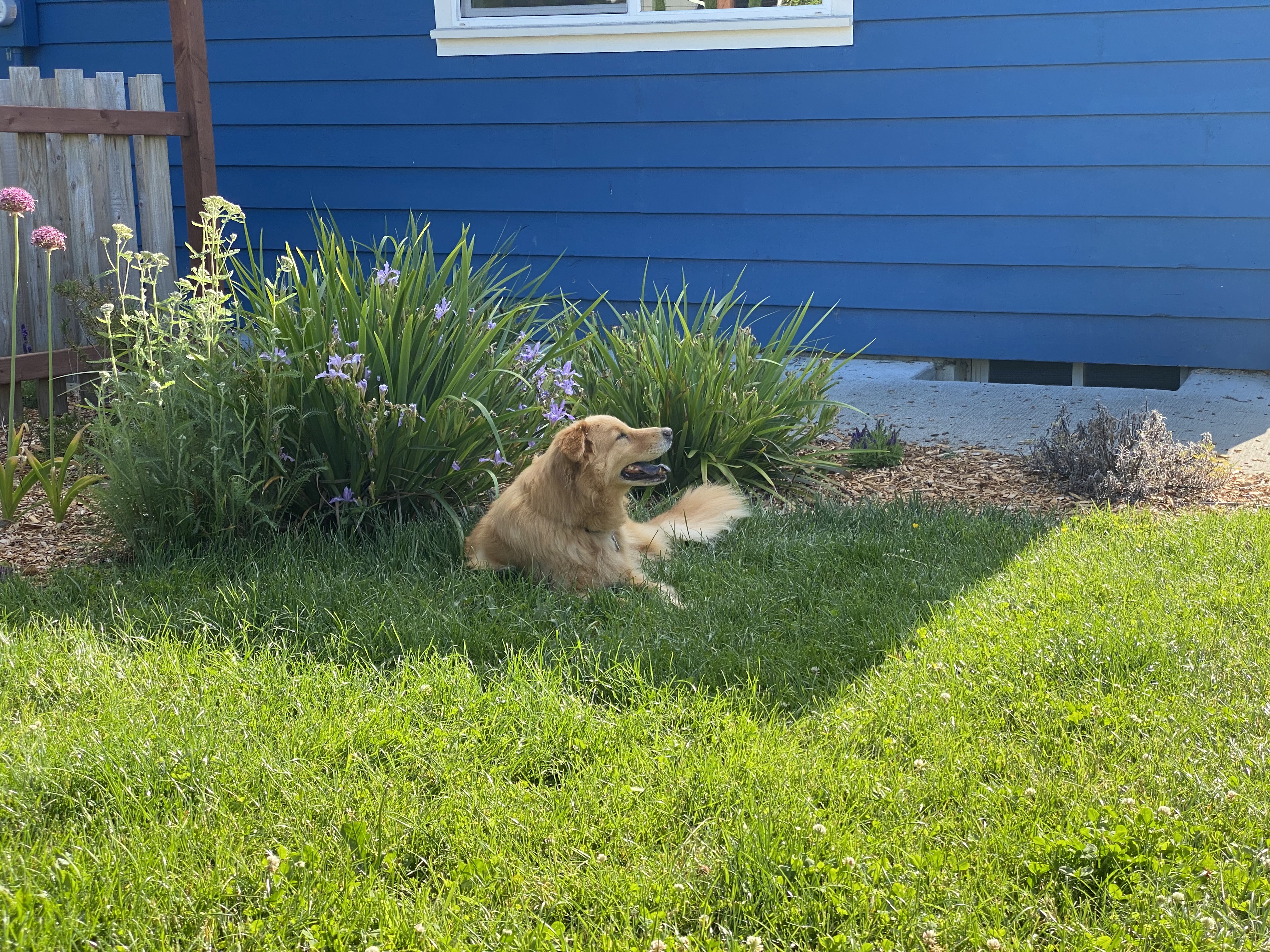
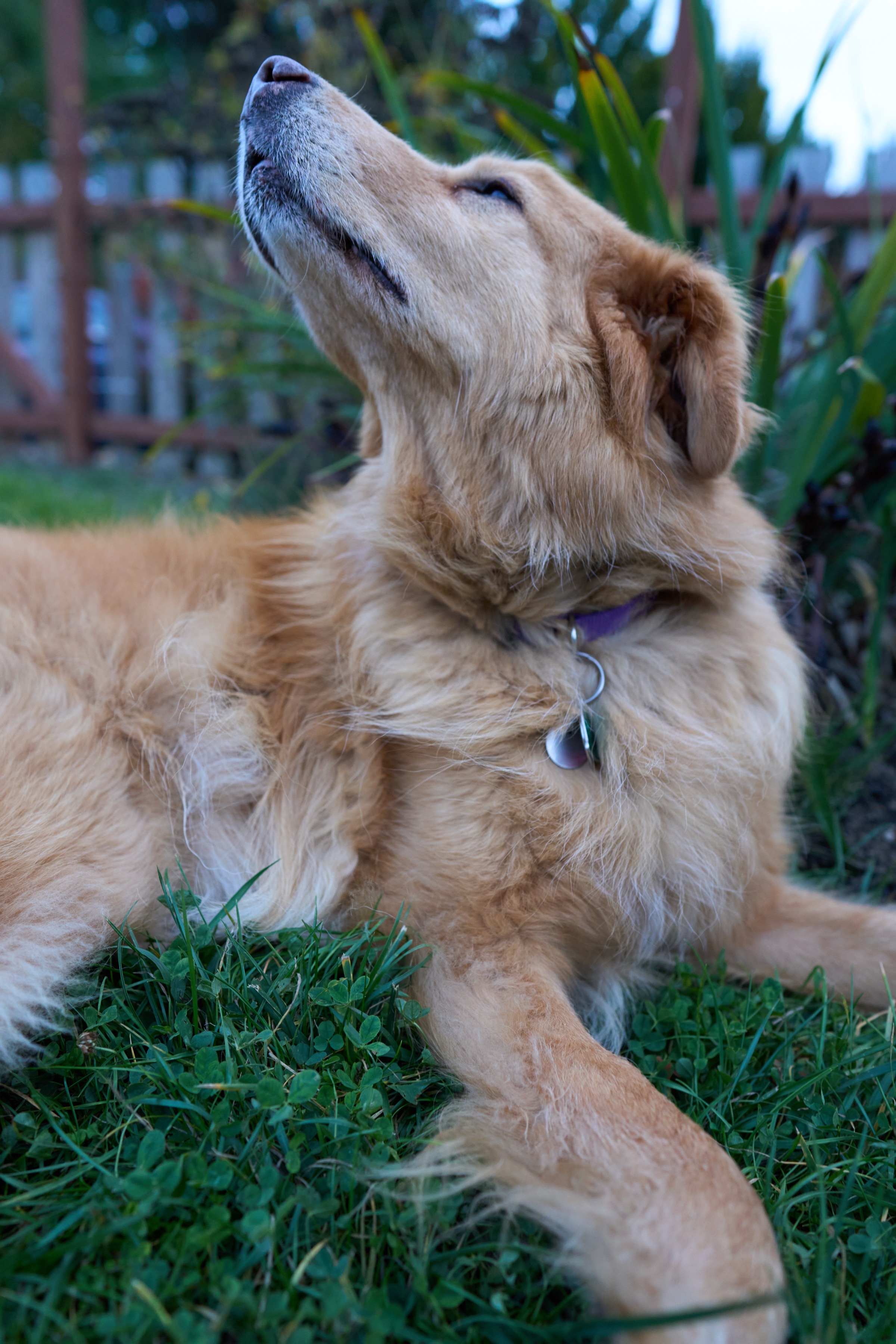
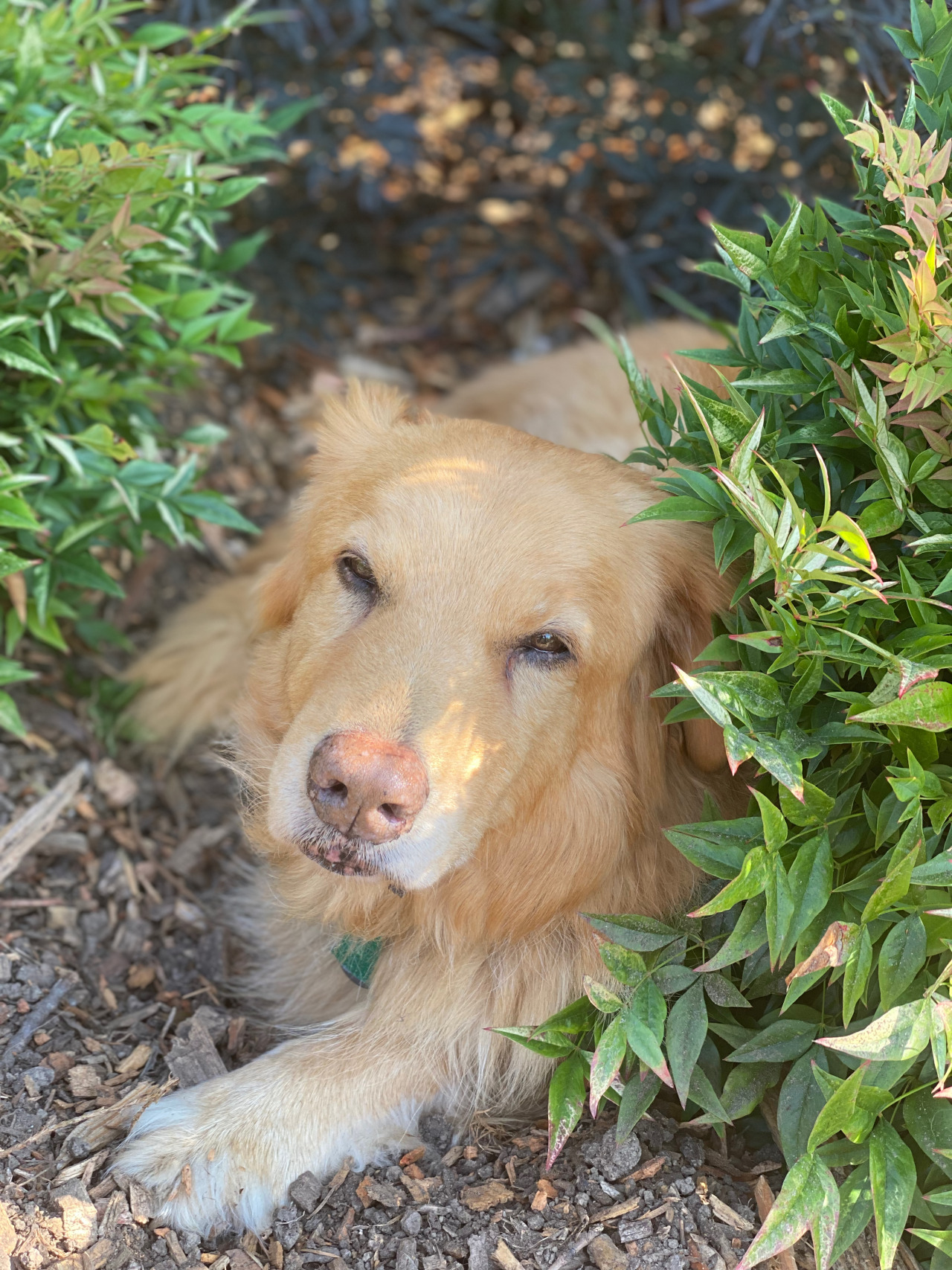
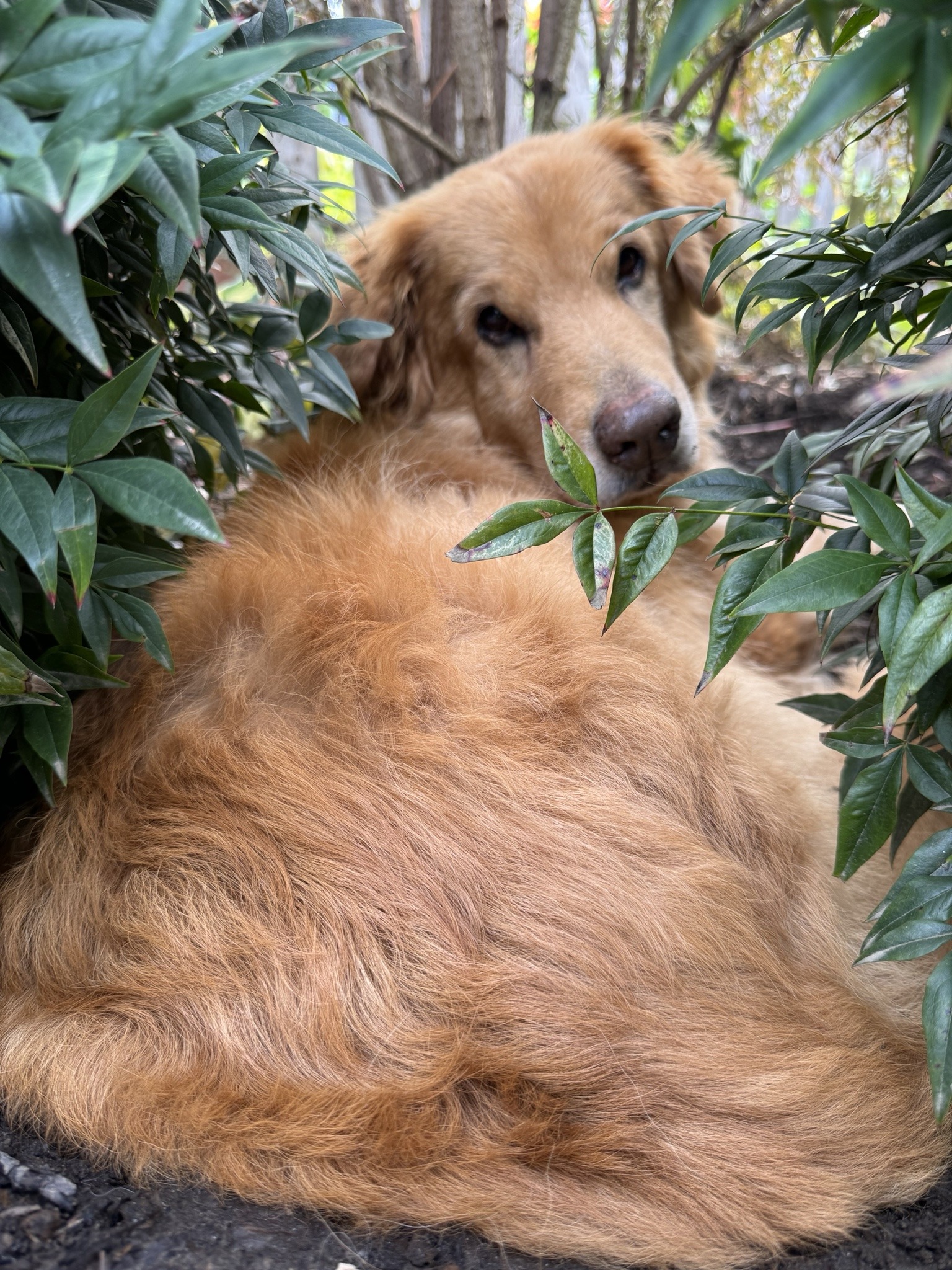
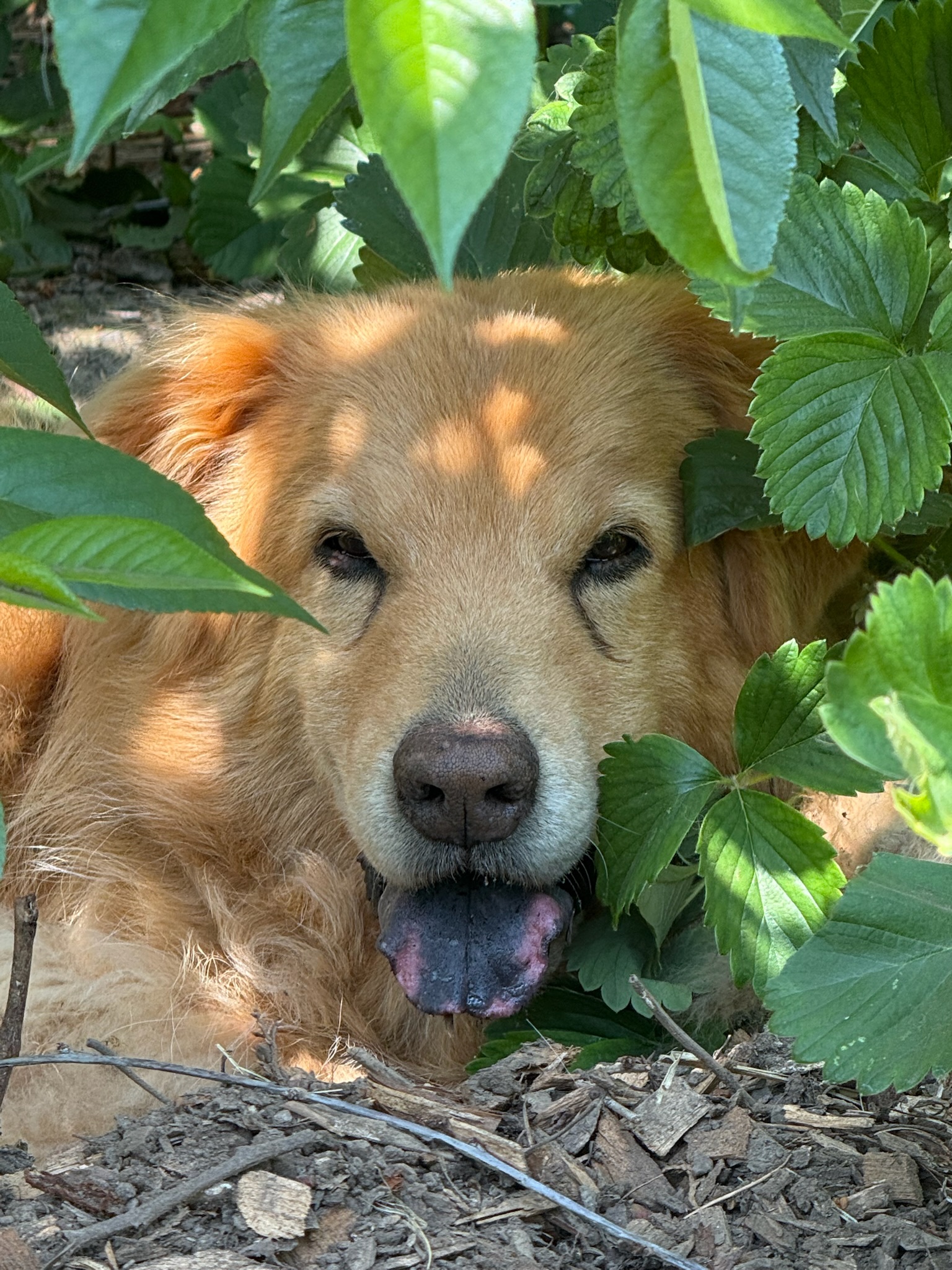
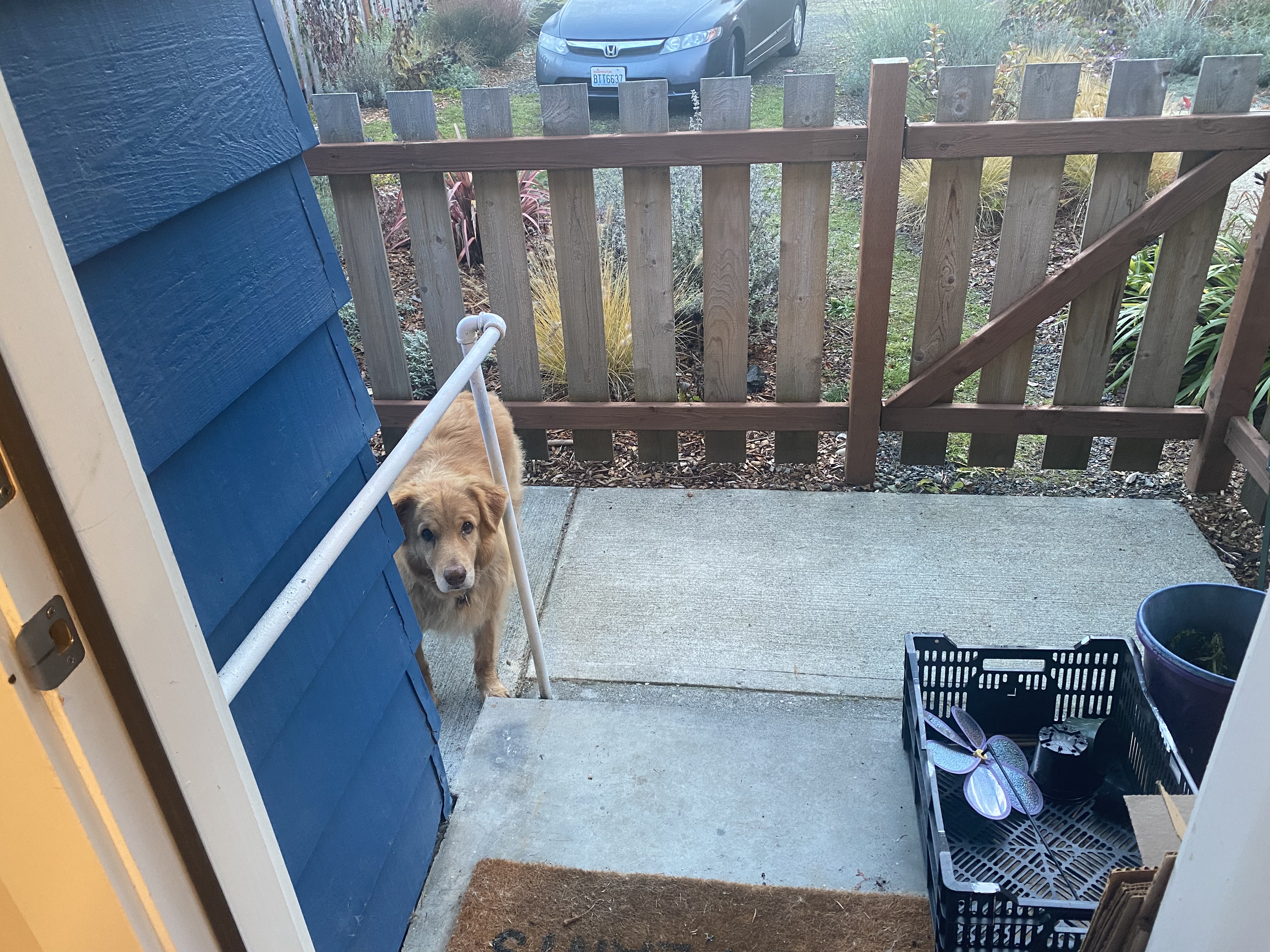
On perfect days, he'd bark from outside, then simply stare at us when we opened the door—an invitation that always meant the same thing: "It's beautiful out here. Stop what you're doing and sit with me." When we heeded his call, we were always glad we did.

Cooper found something special in the company of grandparents. With Wendell and Carolyn in Tucson and Janet and Terry in Olympia, he experienced the comfort of an intergenerational pack. We noticed he carried himself differently in these settings—more relaxed, more secure than he ever seemed at home with just us.
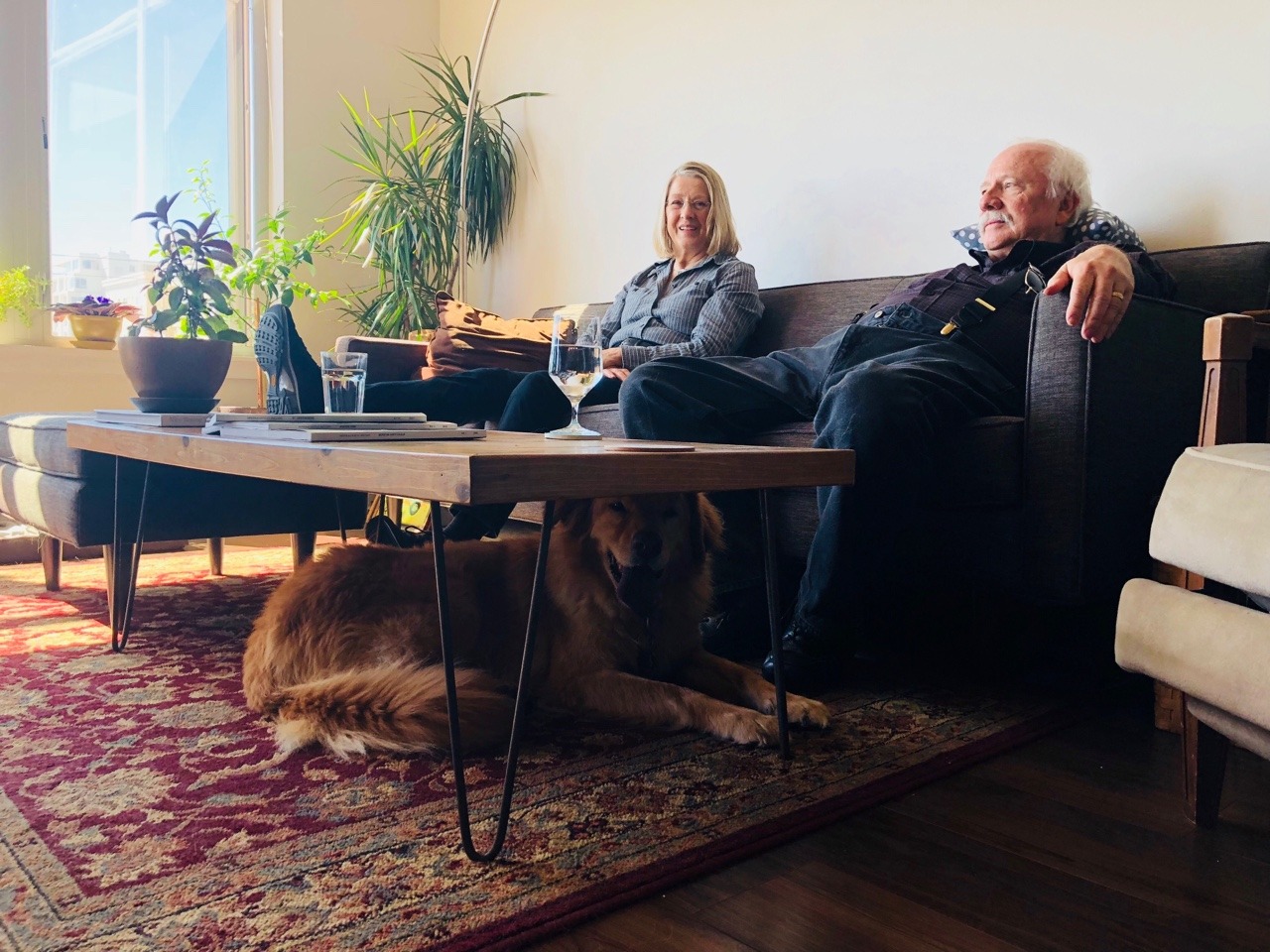
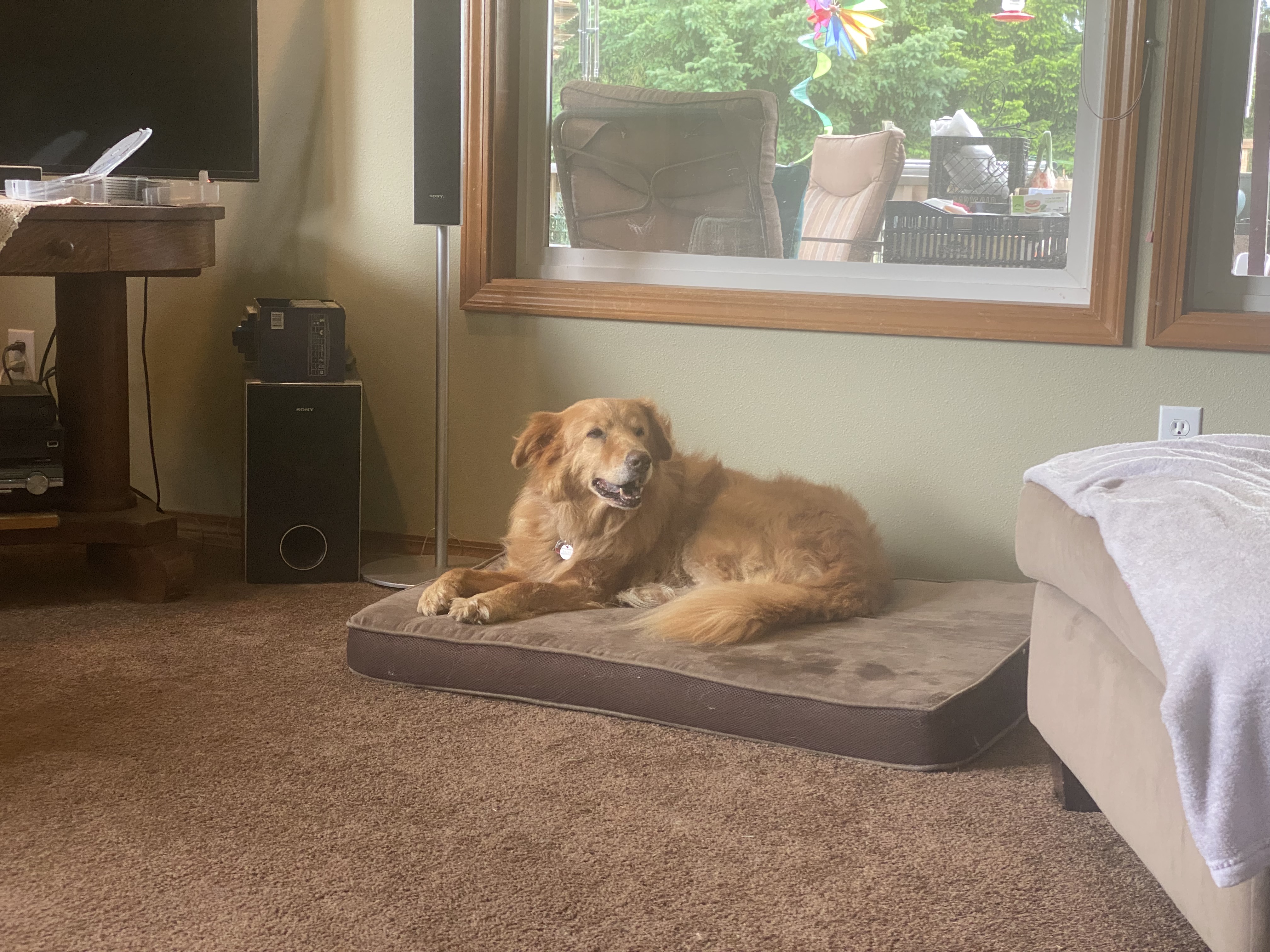
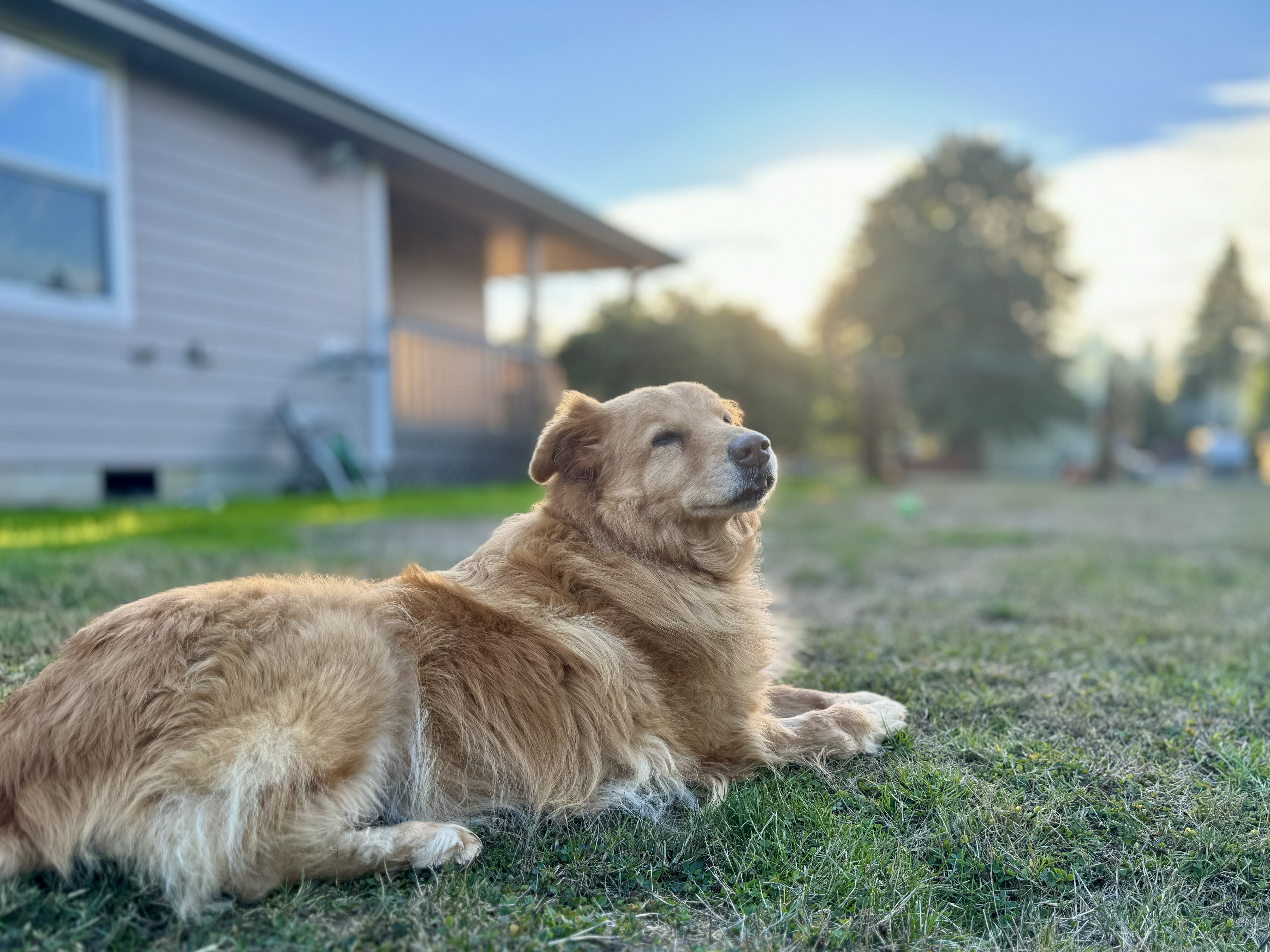
Janet, especially, had a way with him that defied explanation. Cooper would listen to her with a deference he showed no one else, and our halfhearted attempts to "be Janet" when he was being stubborn never fooled him. He adored the Whites' house—the sprawling yard, the chain link fence that allowed him unobstructed views for monitoring the perimeter, and the perfect napping spots he'd rotate between during his security shifts.
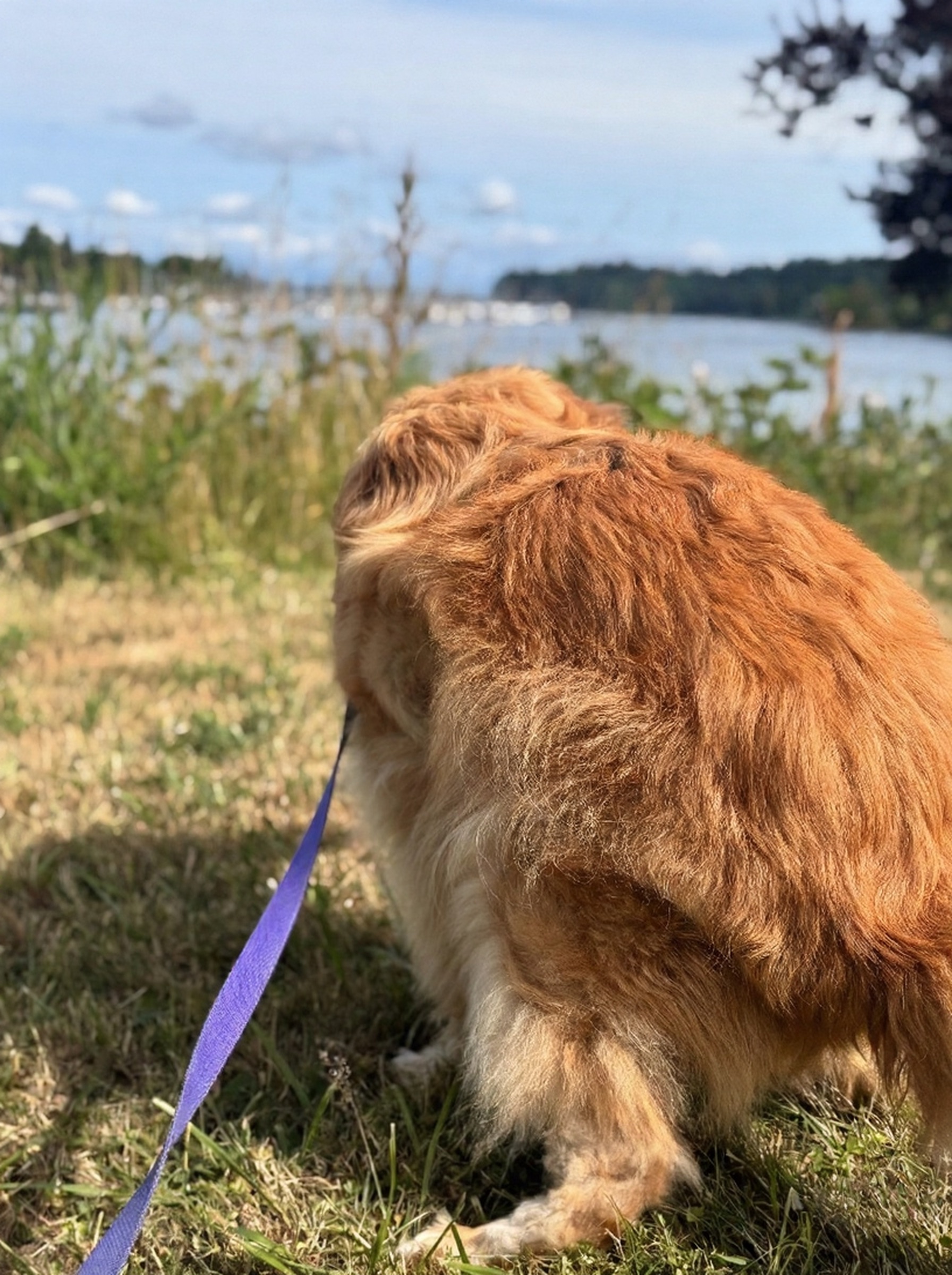
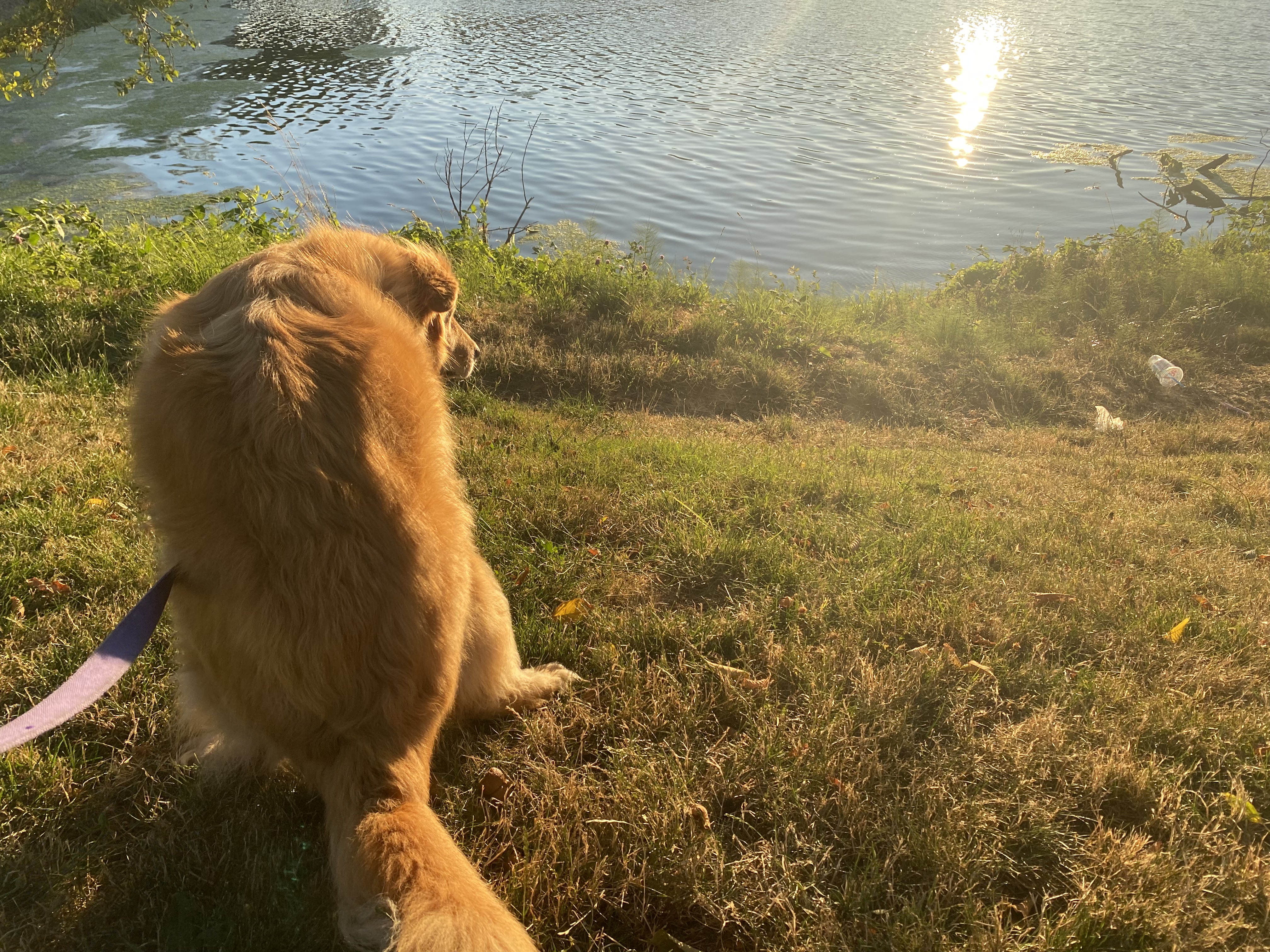
Among Cooper's many quirks, one brought us particular amusement: his commitment to "a poop with a view." Perhaps sloped ground simply made the act easier, or perhaps he genuinely appreciated scenic overlooks during vulnerable moments. Either way, he consistently selected spots with the finest vistas our surroundings had to offer, turning a mundane necessity into an opportunity for contemplation.
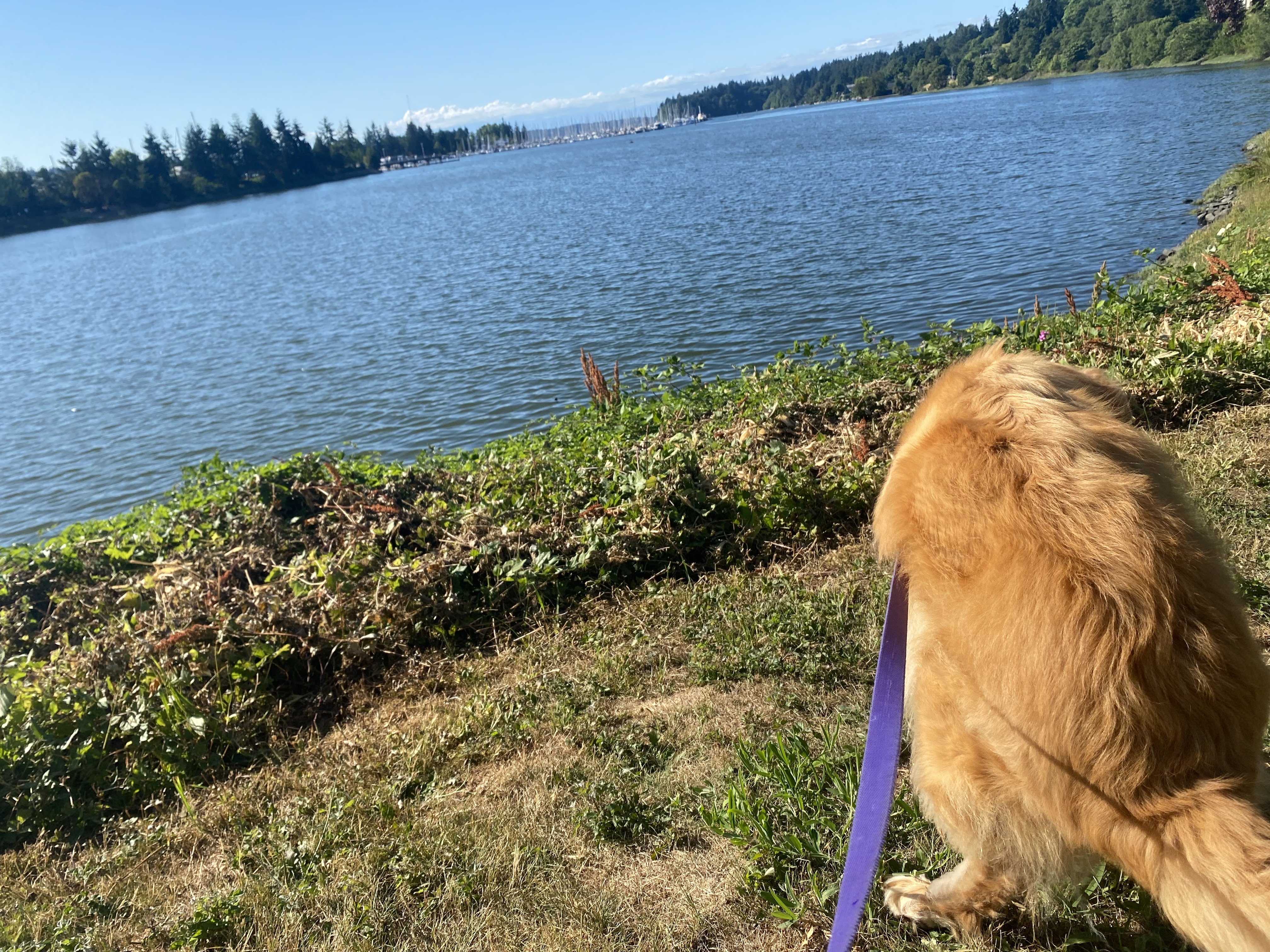
Cooper was not an easy dog. He demanded enormous amounts of attention, patience, and emotional bandwidth. But in caring for him, we learned profound lessons about vulnerability and asking for help, about truly listening and staying attuned to another being's needs.
Over the years, we learned his complex vocabulary—the specific sounds for wanting in or out, for needing exercise or the bathroom, for hunger or thirst or pain, for requesting we lower the TV volume or remember his post-dinner treat. We could tell when he wanted companionship in a different room, when he wanted us to get ready for bed, or when he was feeling unsettled without knowing why. He even developed his own version of politeness: he'd often communicate with a shuffle of his collar, or travel a room away to muffle the sound of his ear-piercing duck toller bark. We spent years learning each other's languages, but that shared fluency deepened our bond immeasurably.
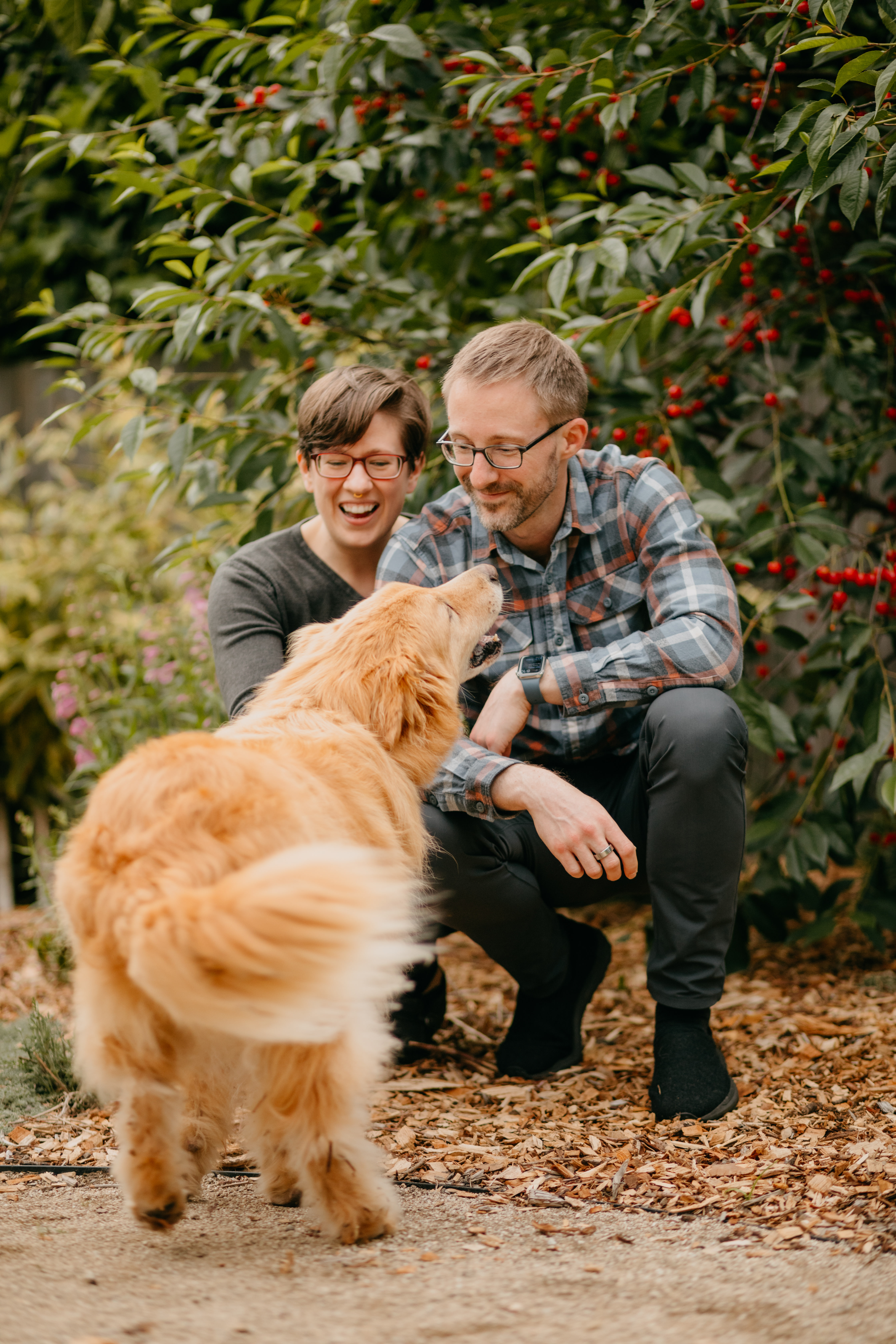
Cooper defied every retriever stereotype about eager-to-please temperaments. He knew his own mind, understood his limits, and communicated both without apology. Other people's expectations meant nothing to him—he'd ignore commands that didn't suit him, enforce boundaries with dogs and humans alike, and demonstrate daily that crankiness and lovability weren't mutually exclusive. His unapologetic authenticity was a lesson in itself.
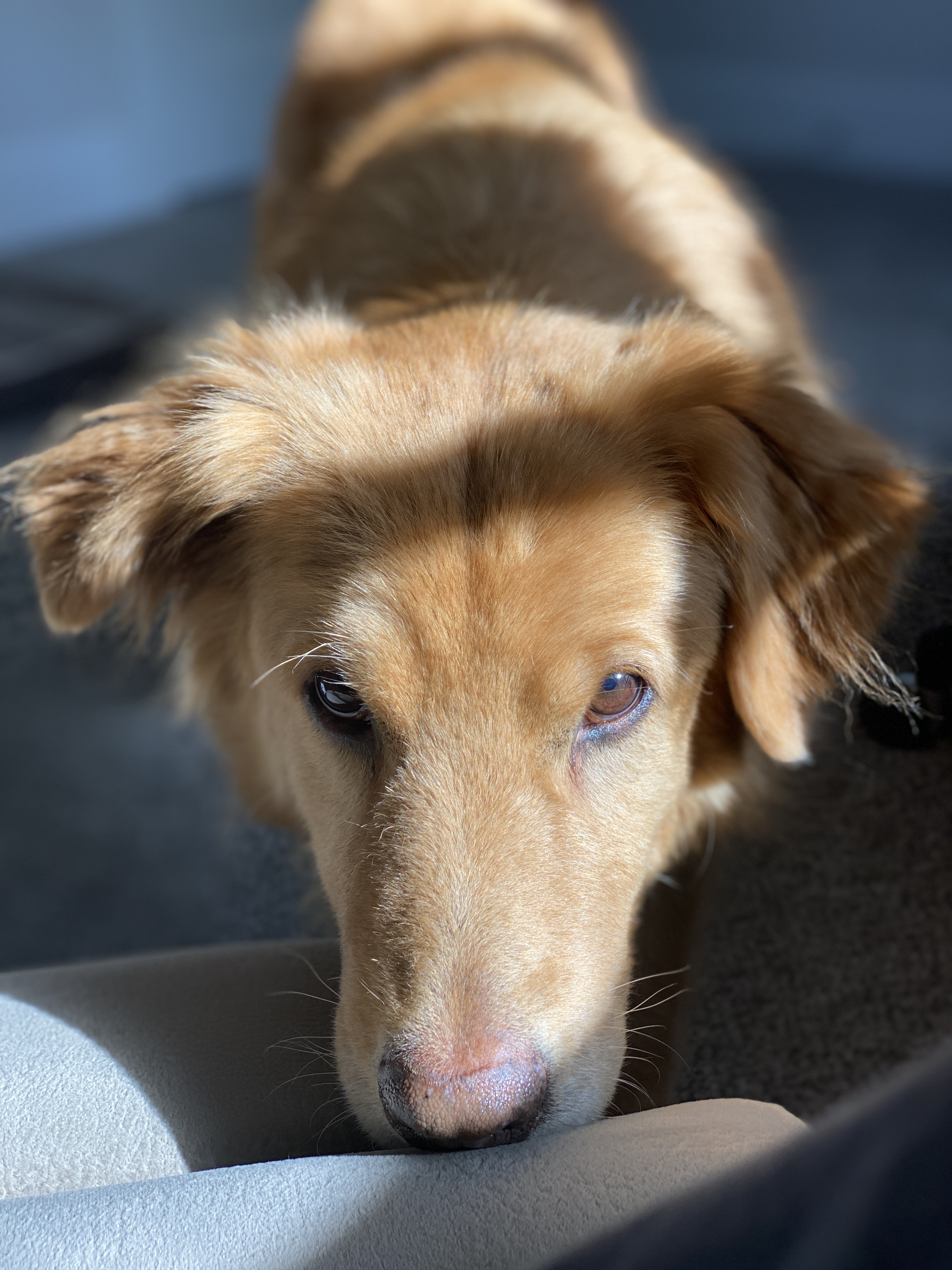
Other dogs will come into our lives, and we'll love them deeply. But Cooper held a unique place—he was our soul mate, mine and Kendra's equally. Not everyone experiences this kind of bond with an animal. We did, and we'll spend the rest of our lives grateful for it.